

Deep tissue massage is more than just relaxation – it is a powerful, results-driven technique designed to target the deeper layers of muscles and connective tissue. By applying slow, controlled pressure, it works beneath the surface to release chronic tension, break down adhesions, and restore proper movement in the body.
Whether you are dealing with long-term pain, stiffness from daily stress, or recovery after intense physical activity, this therapy can significantly improve how your body feels and performs. It is especially effective for people who feel “tight,” restricted, or constantly fatigued in their muscles.
Understanding the benefits of deep tissue massage can help you make a more informed decision about your wellness routine. Over time, consistent sessions can lead not only to pain relief, but also to better posture, improved flexibility, and a higher overall quality of life.
Key Takeaways
- Deep tissue massage effectively relieves chronic pain and deeply rooted muscle tension by targeting problem areas at their source
- It improves blood circulation, helping deliver oxygen and nutrients to muscles for faster recovery and reduced inflammation
- Regular sessions support better mobility, posture, and long-term body function, making everyday movement easier and more comfortable
- It can also reduce stress levels by releasing physical tension stored in the body, helping both the body and mind reset
What Is a Deep Tissue Massage?
Deep tissue massage is a therapeutic technique focused on reaching the deeper layers of muscles and connective tissue. Unlike lighter massage styles, it is specifically designed to address chronic tension, muscle tightness, and structural imbalances in the body. By working slowly and with intention, it targets the root cause of discomfort rather than just providing surface-level relaxation.
This type of massage is often recommended for people who experience ongoing pain, limited mobility, or muscle fatigue from physical activity or stress.
How Deep Tissue Massage Works?
Deep tissue massage works by applying slow, firm pressure to penetrate deeper muscle layers. This approach helps break down adhesions commonly known as knots -which can restrict movement and cause pain.
By releasing these tight areas, the therapy restores proper circulation and improves the natural function of the muscles. Over time, this leads to reduced discomfort, better flexibility, and more efficient movement patterns.
Techniques Used in Deep Tissue Massage
Therapists use a combination of advanced techniques to achieve deeper results, including:
- Slow, controlled strokes to gradually warm up and access deeper layers
- Deep finger pressure to target specific areas of tension
- Elbows and forearms for sustained, effective pressure
- Trigger point therapy to release concentrated knots and pain points
These methods allow precise and focused work on problem areas, making each session highly personalized and effective.
Who Should Consider Deep Tissue Massage?
Deep tissue massage is an excellent option for:
- People dealing with chronic pain or long-term muscle discomfort
- Athletes and active individuals needing recovery and performance support
- Clients recovering from injuries or physical strain
- Anyone experiencing stiffness, tightness, or restricted movement
It is especially beneficial for those who want more than relaxation and are looking for a treatment that delivers lasting, functional results.
8 Benefits of Deep Tissue Massage
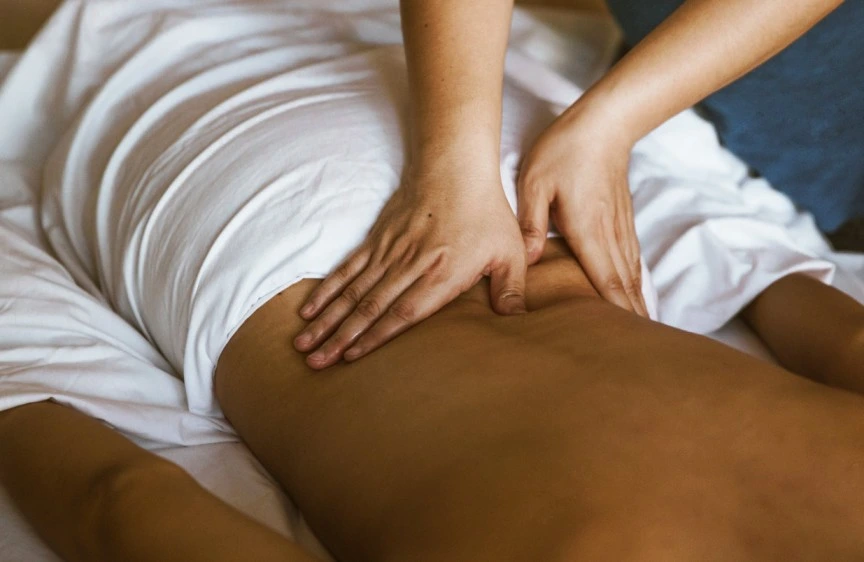
| Benefit | What It Helps With |
| Pain Relief | Chronic muscle pain |
| Blood Flow | Improved circulation |
| Muscle Recovery | Faster healing |
| Stress Relief | Relaxation |
1. Helps Relieve Chronic Muscle Pain
One of the most important benefits of deep tissue massage is its ability to relieve long-term pain. By working into deeper muscle layers, it targets areas where tension builds up over time. This helps release tight knots and reduces discomfort that often does not respond to lighter massage techniques.
2. Reduces Lower Back Pain
Lower back pain is one of the most common issues people face today. Deep tissue massage helps by loosening tight muscles around the spine, improving alignment, and reducing pressure on surrounding structures. Over time, this can lead to noticeable and lasting relief.
3. Improves Blood Circulation
Improved circulation is another key advantage. As pressure is applied to deeper tissues, blood flow increases, delivering more oxygen and nutrients to muscles. This process supports healing, reduces inflammation, and enhances overall body function.
4. Reduces Stress and Anxiety
Even though the pressure is firm, deep tissue massage can have a powerful calming effect on the nervous system. By releasing physical tension stored in the body, it helps lower stress levels and promotes a sense of relaxation and mental clarity.
5. Supports Injury Recovery
For those recovering from injuries, deep tissue massage can speed up the healing process. It helps reduce inflammation, improve mobility, and restore proper movement patterns, making it an effective tool in rehabilitation.
6. Breaks Down Scar Tissue
Scar tissue can limit flexibility and cause discomfort. Deep tissue techniques help break down these adhesions over time, improving mobility and reducing stiffness in affected areas.
7. Improves Flexibility and Movement
Regular sessions can significantly improve range of motion. By releasing tight muscles and restoring balance in the body, deep tissue massage makes everyday movements smoother and more efficient.
8. Helps With Muscle Tension and Stiffness
Deep tissue massage directly targets areas of tightness and stiffness. It helps muscles relax, restores proper function, and prevents future tension from building up, especially for those with physically demanding lifestyles.
Deep Tissue Massage vs Other Massage Types

Deep Tissue vs Swedish Massage
Swedish massage is known for its gentle, flowing techniques that promote relaxation and stress relief. It is perfect for beginners or anyone looking to unwind.
Deep tissue massage, on the other hand, uses slower strokes and stronger pressure to reach deeper muscle layers. It is more focused on treating chronic tension, muscle tightness, and long-standing pain rather than just relaxation.
In short:
- Swedish = relaxation
- Deep tissue = treatment and recovery
Deep Tissue vs Sports Massage
Sports massage is tailored specifically for athletes and active individuals. It often includes stretching, dynamic movements, and techniques designed to improve performance and prevent injuries.
Deep tissue massage is more focused on releasing chronic tension, breaking down adhesions, and addressing pain patterns that develop over time. While athletes can benefit from it, it is not limited to sports recovery.
In short:
- Sports massage = performance and prevention
- Deep tissue = pain relief and muscle correction
What to Expect During a Deep Tissue Massage Session?
Pressure Level and Comfort
The pressure during a deep tissue massage can feel intense, especially when working on tight areas. However, it should never be unbearable or painful. Clear communication with your therapist is essential to ensure the pressure remains effective yet comfortable.
Session Duration
Most deep tissue massage sessions last between 60 and 90 minutes, depending on your needs and the areas being treated. Longer sessions allow for more thorough work on multiple muscle groups.
Aftercare Tips
To get the most out of your session:
- Drink plenty of water to help flush out toxins
- Avoid intense workouts immediately after the massage
- Give your body time to rest and recover
- Expect mild soreness, which usually fades within a day or two
Book a Deep Tissue Massage for Lasting Relief
If you want to experience the full benefits of deep tissue massage, regular sessions can make a noticeable difference in how your body feels and performs. Over time, it can help reduce pain, improve mobility, and support long-term wellness.
Learn more or schedule your session here:
booking
FAQs
How often should you get a deep tissue massage?
For chronic pain or tension, sessions once a week or every two weeks are recommended. For maintenance, once a month is usually enough to keep your body balanced.
Can deep tissue massage cause soreness after the session?
Yes, mild soreness is normal. It typically lasts 24-48 hours and is a sign that the muscles are adjusting and recovering.
Is deep tissue massage safe for everyone?
Most people can safely receive deep tissue massage. However, individuals with certain medical conditions, injuries, or recent surgeries should consult a healthcare professional first.
How long does it take to see results from deep tissue massage?
Some clients feel immediate relief after one session. However, consistent treatments provide the most effective and long-lasting results.
Can deep tissue massage help with posture issues?
Yes. By releasing tight muscles and restoring balance in the body, deep tissue massage can significantly improve posture over time and reduce strain on the spine.



1 Comment