
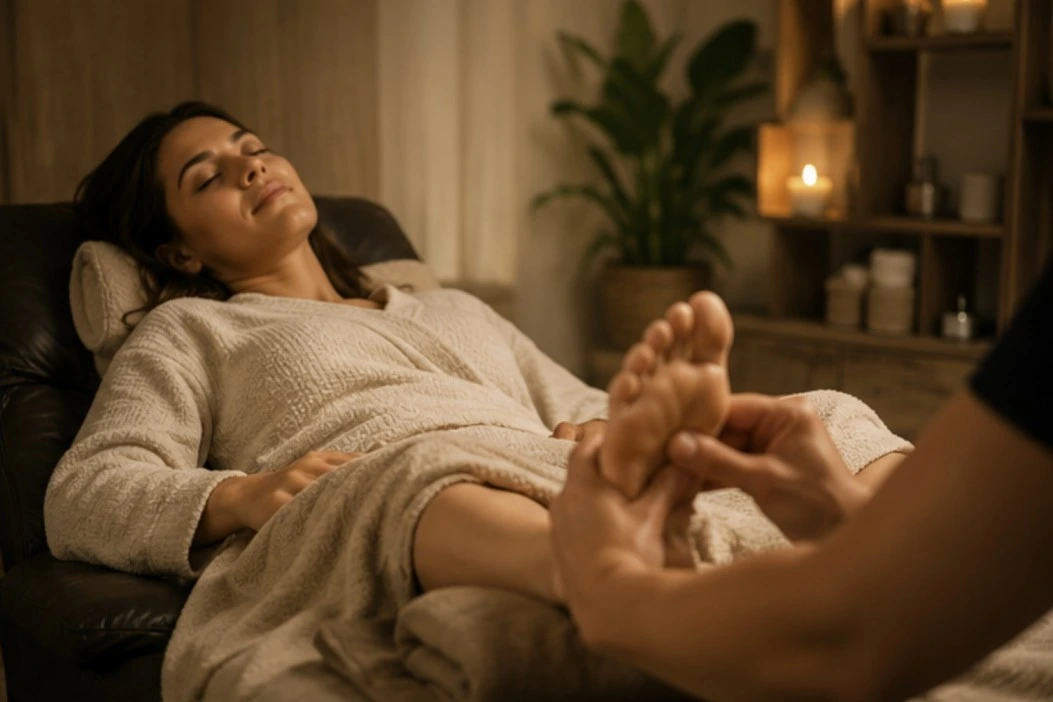
A reflexology foot massage is much more than a simple foot treatment. This specialized wellness technique has been practiced for centuries and focuses on applying pressure to specific points on the feet that are believed to correspond to various organs, systems, and areas of the body.
Unlike a traditional foot massage that primarily targets muscles and soft tissues, reflexology works with mapped pressure points to promote relaxation and encourage the body’s natural healing responses. Many people choose reflexology foot massage sessions because they offer both physical comfort and mental relaxation in a single treatment.
In today’s fast-paced world, stress, fatigue, poor sleep, and muscle tension affect millions of people. Reflexology provides a natural, non-invasive way to support overall wellness while creating an opportunity to slow down, relax, and reconnect with your body.
Whether you’re looking to unwind after a long week, support healthy circulation, reduce everyday stress, or simply enjoy a deeply relaxing experience, a foot reflexology massage can be a valuable addition to your self-care routine.
At Laguna Elite Wellness, we frequently see clients leave their reflexology sessions feeling refreshed, balanced, and rejuvenated. While results vary from person to person, many individuals report noticeable improvements in relaxation, comfort, and overall well-being.
Key Takeaways
- Reflexology foot massage targets specific pressure points that may support relaxation, circulation, and overall wellness.
- Many people use reflexology to reduce stress, ease tension, improve sleep quality, and promote relaxation.
- Regular reflexology sessions can become an important part of a healthy self-care and wellness routine.
What Is Reflexology Good For?
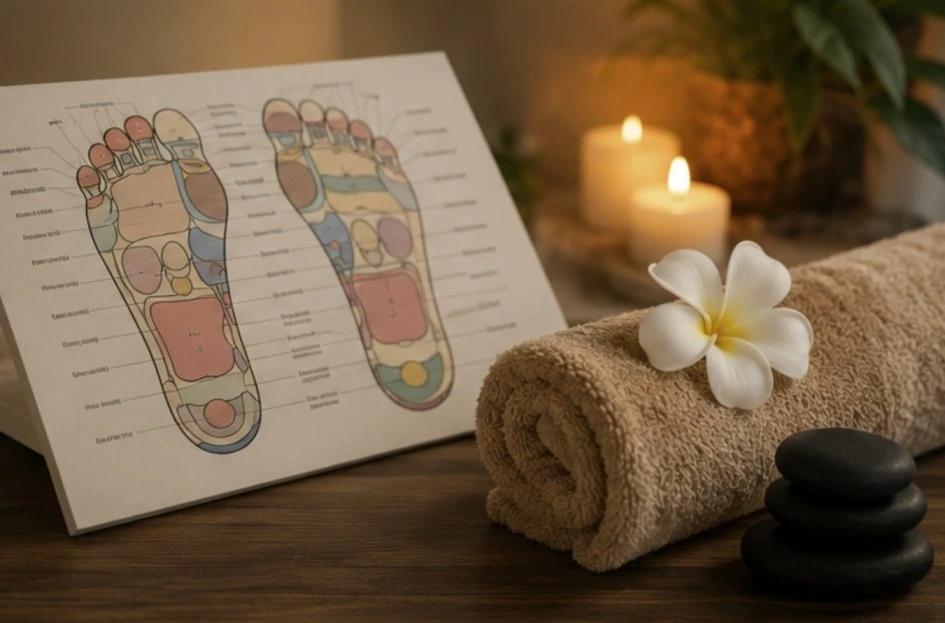
Reflexology is a therapeutic practice based on the idea that specific areas of the feet correspond to different organs, glands, and systems throughout the body. By applying targeted pressure to these reflex points, practitioners aim to encourage balance and relaxation throughout the body.
Many people seek reflexology foot massage treatments for a variety of reasons, including:
- Managing everyday stress
- Promoting relaxation
- Supporting healthy circulation
- Improving sleep quality
- Relieving foot discomfort
- Encouraging recovery after physical activity
- Supporting general wellness and self-care
One of the reasons reflexology remains popular is that it offers benefits that extend beyond the feet themselves. Although the treatment focuses on the feet, many clients describe a sensation of full-body relaxation during and after the session.
Reflexology is often incorporated into wellness programs alongside massage therapy, stretching, healthy nutrition, exercise, and stress management practices. While it should not be considered a substitute for medical treatment, it can be a valuable complementary wellness service for many individuals.
Many clients report feeling calmer, lighter, and more energized after a session. Some even describe a noticeable improvement in their mood and ability to manage daily stressors.
How Reflexology Foot Massage Works
During a reflexology massage foot session, a trained therapist uses their thumbs, fingers, and hands to apply precise pressure to specific points located throughout the feet.
According to reflexology principles, these pressure points correspond to different areas of the body. The practitioner systematically works through various zones of the feet while monitoring comfort levels and adjusting pressure as needed.
A typical session begins with a brief consultation to discuss wellness goals and any areas of concern. The client then relaxes comfortably while the therapist performs the treatment.
Many people are surprised by how deeply relaxing reflexology feels. Some clients experience:
- A sense of calm and relaxation
- Warmth throughout the body
- Reduced muscle tension
- Improved mental clarity
- Temporary feelings of lightness or increased energy
The experience is generally gentle and comfortable, though some pressure points may feel more sensitive than others. These sensations are usually brief and often lessen as the treatment progresses.
Unlike many wellness treatments that require significant recovery time, most people can immediately return to their daily activities following a reflexology session.
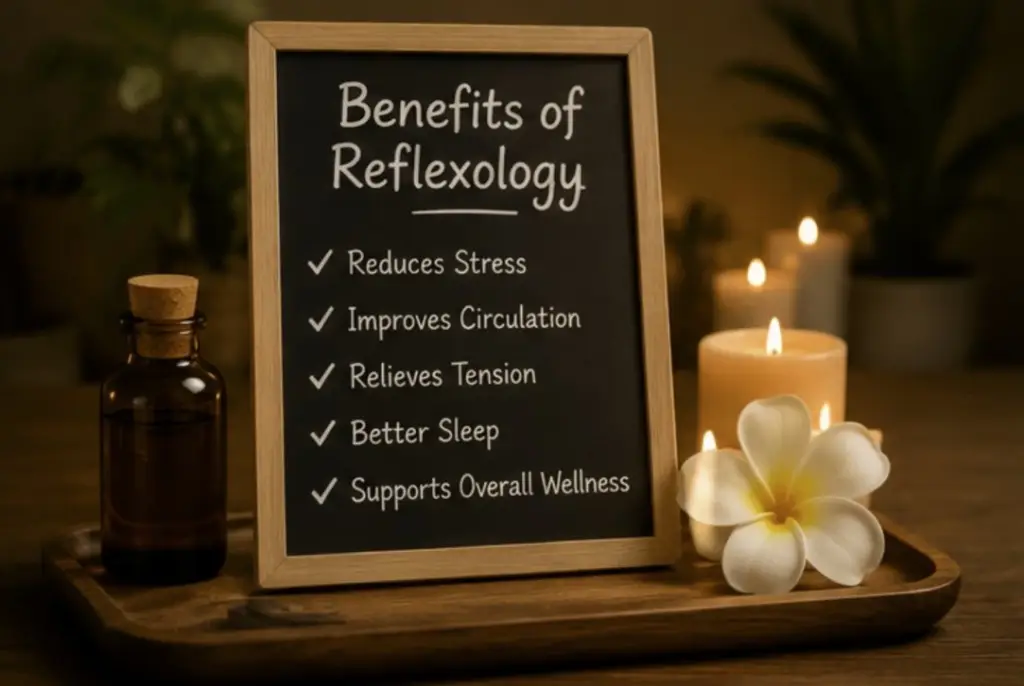
7 Benefits of Reflexology Foot Massage
1. Improves Blood Circulation
Healthy circulation is essential for delivering oxygen and nutrients throughout the body. Many people spend long hours sitting at desks, driving, or standing on hard surfaces, which can contribute to feelings of heaviness and fatigue in the feet and legs.
Reflexology foot massage may help stimulate circulation through targeted pressure techniques. Improved circulation supports the body’s natural functions and can contribute to a feeling of increased vitality.
Clients often report:
- Warmer feet
- Reduced feelings of heaviness
- Improved comfort
- Increased overall energy
Better circulation may also support recovery following physical activity and promote overall wellness.
2. Reduces Stress and Anxiety
Stress affects both physical and mental health. Chronic stress can contribute to muscle tension, fatigue, irritability, and difficulty sleeping.
One of the most appreciated benefits of reflexology massage foot treatments is their ability to promote deep relaxation. The calming environment combined with focused footwork helps activate the body’s relaxation response.
Many clients describe reflexology as a mental reset. During a session, they can disconnect from daily responsibilities and focus entirely on relaxation.
Potential stress-related benefits include:
- Reduced tension
- Improved mood
- Greater sense of calm
- Better emotional balance
- Enhanced relaxation
3. Relieves Foot Pain and Tension
Our feet endure tremendous stress every day. Walking, standing, exercising, and wearing restrictive footwear can contribute to soreness and tension.
A foot reflexology massage helps address tightness and discomfort by working directly on the muscles, fascia, and pressure points within the feet.
Benefits may include:
- Reduced foot fatigue
- Improved flexibility
- Decreased muscle tension
- Enhanced comfort during daily activities
This can be especially beneficial for active individuals, healthcare professionals, teachers, retail workers, and anyone who spends long periods on their feet.
4. Supports Better Sleep
Quality sleep is one of the most important components of overall health. Unfortunately, stress and tension often interfere with healthy sleep patterns.
Reflexology encourages relaxation, which may help prepare the body and mind for restful sleep.
Many clients schedule reflexology sessions specifically because they feel more relaxed afterward. Commonly reported sleep-related benefits include:
- Easier time falling asleep
- Improved sleep quality
- Reduced nighttime restlessness
- Greater feelings of relaxation before bedtime
When relaxation improves, sleep often improves as well.
5. Helps Body Detox Response
Although reflexology itself does not directly detoxify the body, it may support the body’s natural wellness processes by encouraging circulation, relaxation, and overall balance.
Many clients report feeling refreshed and revitalized after treatment. Supporting relaxation can help the body function more efficiently and maintain healthy recovery processes.
This renewed sense of well-being is one reason reflexology remains popular among individuals seeking natural wellness support.
6. Boosts Energy Levels
When stress decreases and relaxation increases, many people notice a positive shift in their energy levels.
Reflexology sessions can leave clients feeling both relaxed and revitalized. Improved circulation and reduced tension often contribute to a greater sense of physical and mental energy.
Clients frequently report:
- Reduced fatigue
- Improved focus
- Better productivity
- Increased motivation
- Enhanced overall vitality
7. Supports Overall Wellness
Perhaps the most significant benefit of foot massage reflexology is its ability to support overall wellness.
Rather than targeting a single issue, reflexology encourages full-body relaxation and balance. Many people incorporate regular sessions into their broader wellness routines alongside massage therapy, exercise, proper nutrition, hydration, and stress management practices.
Over time, consistent self-care habits can contribute to:
- Improved quality of life
- Better stress management
- Enhanced physical comfort
- Greater emotional well-being
- Long-term wellness support
For many clients, reflexology becomes more than a treatment—it becomes an investment in their overall health and self-care.
What to Expect During a Reflexology Session
If you’ve never experienced a reflexology foot massage before, you may be wondering what a typical appointment looks like. Fortunately, reflexology is a relaxing and non-invasive treatment that requires little to no preparation.
Most reflexology sessions last between 30 and 60 minutes, depending on your goals and the treatment plan recommended by your therapist. Upon arrival, you’ll be welcomed into a calm and comfortable treatment environment designed to promote relaxation from the moment your session begins.
During your appointment:
- You’ll relax in a comfortable massage chair or treatment table.
- Your therapist will discuss any wellness goals, areas of discomfort, or specific concerns.
- The session will focus on applying pressure to targeted reflex points throughout the feet.
- Pressure may vary from gentle to firm depending on your comfort level and sensitivity.
- The therapist may work on both feet systematically to stimulate various reflex zones.
- Most clients experience deep relaxation and often enter a meditative state during the treatment.
Many people report feeling:
- Deeply relaxed
- Mentally refreshed
- Less stressed
- More balanced
- Energized and rejuvenated
Some clients even fall asleep during their session due to the calming nature of the treatment.
After the session, you may notice a feeling of warmth, improved relaxation, or renewed energy. Drinking water afterward is often recommended as part of a healthy wellness routine.
Comfortable clothing is recommended, and no special preparation is usually required. Simply arrive ready to relax and enjoy the experience.

Book Your Reflexology Foot Massage Today
If you’re searching for a natural way to relax, reduce stress, improve comfort, and support your overall wellness, reflexology may be exactly what your body needs.
At Laguna Elite Wellness, our reflexology foot massage sessions are designed to help you disconnect from everyday stress while supporting your physical and mental well-being. Whether you’re dealing with tired feet, a demanding schedule, or simply need time to recharge, our personalized treatments can help you feel refreshed and restored.
Our experienced therapists take the time to understand your wellness goals and create a relaxing experience tailored to your needs.
Benefits our clients often seek include:
- Stress reduction
- Improved relaxation
- Better sleep quality
- Relief from foot fatigue
- Enhanced wellness and self-care
Ready to experience the benefits for yourself?
Schedule your appointment today
Our team proudly serves clients seeking high-quality massage and wellness services in a professional, comfortable environment.
Take the first step toward greater relaxation and wellness today.
Final Thoughts
A reflexology foot massage offers far more than simple relaxation. By focusing on specific pressure points throughout the feet, reflexology may help support circulation, reduce stress, relieve tension, encourage better sleep, and promote overall wellness.
One of the reasons reflexology has remained popular for generations is its ability to help people slow down and reconnect with their bodies. In a world filled with constant demands and stress, even a single session can provide a valuable opportunity to relax, recharge, and restore balance.
While every person’s experience is unique, many clients find that regular reflexology sessions become an important part of their self-care routine. Whether you receive treatments monthly, biweekly, or simply when you need a wellness boost, reflexology can be a powerful complement to a healthy lifestyle.
Combined with proper nutrition, exercise, hydration, quality sleep, and stress management practices, reflexology may help support a greater sense of overall well-being.
If you’ve never tried reflexology before, there has never been a better time to discover why so many people continue to enjoy this relaxing and restorative treatment.
Frequently Asked Questions
Is reflexology the same as a regular foot massage?
No. While both treatments involve the feet and promote relaxation, they use different approaches. A regular foot massage primarily focuses on muscles, soft tissues, and relieving physical tension. Reflexology specifically targets pressure points believed to correspond to different organs and systems throughout the body. The goal is to promote relaxation and support overall wellness through these reflex zones.
How often should I get a reflexology foot massage?
The ideal frequency depends on your individual goals, lifestyle, and wellness needs. Many clients benefit from sessions every two to four weeks as part of an ongoing self-care routine. Others may schedule reflexology treatments more frequently during periods of increased stress or physical activity.
Can reflexology help with stress and anxiety?
Many people choose reflexology because of its deeply relaxing effects. Clients frequently report feeling calmer, more balanced, and less stressed following a session. While reflexology is not a treatment for anxiety disorders, it can be a valuable tool for relaxation and stress management.
Does reflexology hurt during the session?
Most reflexology treatments are comfortable and relaxing. Some pressure points may feel more sensitive than others, particularly if there is tension in a specific area. However, discomfort is generally mild and temporary. Your therapist can always adjust the pressure to ensure a comfortable experience.
Who should avoid reflexology massage?
Although reflexology is generally considered safe for many individuals, certain people should consult a healthcare professional before scheduling a session. This may include those with recent foot injuries, fractures, severe circulatory conditions, blood clotting disorders, infections affecting the feet, or high-risk pregnancies.
How long does a typical session last?
Most reflexology foot massage sessions last between 30 and 60 minutes. Shorter sessions are ideal for quick relaxation and stress relief, while longer sessions allow the therapist to spend more time working through various reflex points and areas of concern.