
That first step out of bed, the one that sends a sharp jolt through your heel, is usually what sends people searching for answers. Foot massage is one of the most commonly recommended ways to ease plantar fasciitis pain, and for good reason. It targets the tight calf muscles and fascia that feed into that heel pain, and it works well alongside stretching, supportive shoes, and rest.
Key Takeaways
- Foot massage can help ease heel pain and tightness caused by plantar fasciitis, especially when paired with calf work and stretching.
- Plantar fasciitis affects roughly 1 in 10 people at some point, most often between ages 40 and 60.
- Massage supports recovery, but it works best as part of a full plan that includes stretching, footwear changes, and professional care when pain doesn't improve.
Introduction
Plantar fasciitis is one of the most common reasons people end up searching for foot pain relief, and massage keeps coming up as a go-to option. It makes sense. The condition is rooted in tight, overworked tissue along the bottom of the foot and calf, and massage is built to address exactly that kind of tightness.
This guide walks through what plantar fasciitis actually is, why it causes heel pain in the first place, and the specific ways foot massage can help. You'll also find techniques you can try, a quick reference table, safety tips, and answers to the questions people ask most about massaging this condition.
What Is Plantar Fasciitis?
Plantar fasciitis is an overuse injury affecting the plantar fascia, the thick band of tissue that runs from your heel to the base of your toes. When that band gets overstretched or overloaded, tiny tears can form in the tissue, leading to inflammation, stiffness, and pain, particularly near the heel.
It's a common problem. Estimates suggest plantar fasciitis will affect about 10% of people at some point in their lives, with the highest rates showing up between ages 40 and 60 and a noticeably higher prevalence in women. In the United States alone, it accounts for close to a million outpatient visits a year. If your heel has been bothering you, you're dealing with something extremely common, not something unusual or rare.
Why Does Plantar Fasciitis Cause Heel Pain?
The plantar fascia anchors directly to the heel bone, so when the tissue is inflamed or thickened, that's where the pain concentrates. Tightness in the calf muscles and Achilles tendon pulls on the fascia from above, adding extra tension to an already irritated area. This is why heel pain from plantar fasciitis is rarely just a foot problem. The lower leg is almost always involved too.
Pain is usually worst first thing in the morning or after sitting for a while, because the fascia tightens up during rest and then gets stretched suddenly with those first steps. Standing on your feet for long stretches, wearing unsupportive shoes, and having especially high or flat arches can all add strain to the fascia over time.
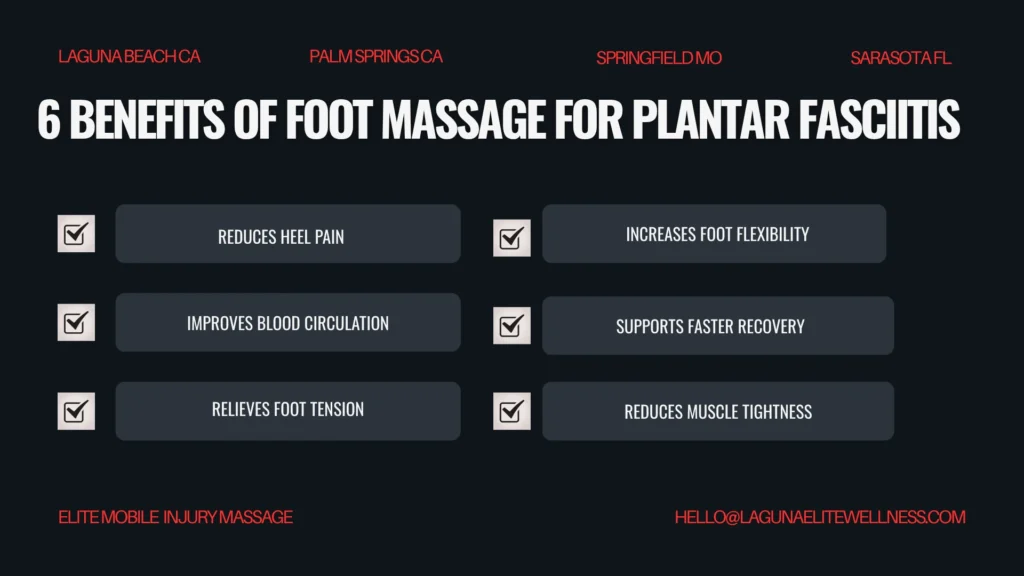
6 Benefits of Foot Massage for Plantar Fasciitis
1. Helps Ease Heel Pain
Focused pressure on the arch and heel can reduce the sensitivity in that area over time. Massage doesn't just feel good in the moment. It can calm the nervous system's pain response and reduce the guarding that often makes plantar fasciitis feel worse than the actual tissue damage warrants.
2. Reduces Tightness in the Foot
The plantar fascia and the small muscles underneath it tend to tighten up as the body tries to protect an irritated area. Massage works directly on that tightness, helping the tissue move and stretch the way it's supposed to instead of staying locked down.
3. Supports Better Blood Flow
Firm, consistent pressure encourages circulation to the sole of the foot, an area that doesn't always get great blood supply to begin with. Better circulation means more oxygen and nutrients reaching the damaged tissue, which supports the body's own repair process.
4. Helps Relax the Calf and Arch
Since calf tightness pulls directly on the plantar fascia, working the calf muscles is just as important as working the foot itself. A massage that treats the calf, Achilles, and arch together addresses the whole chain of tension instead of just the symptom at the heel.
5. May Improve Foot Flexibility
Regular massage can gradually improve how well the fascia and surrounding muscles move, which translates into better flexibility through the arch and ankle. That added flexibility helps distribute the load of walking and standing more evenly, taking some pressure off the injured tissue.
6. Supports Recovery When Used With Stretching
Massage and stretching work well together because they address the same tight tissue from different angles. One clinical study on deep, focused calf massage combined with stretching found it helped relieve pain and improve function in people dealing with plantar fasciitis, which lines up with what many therapists see in practice.
Best Foot Massage Techniques for Plantar Fasciitis
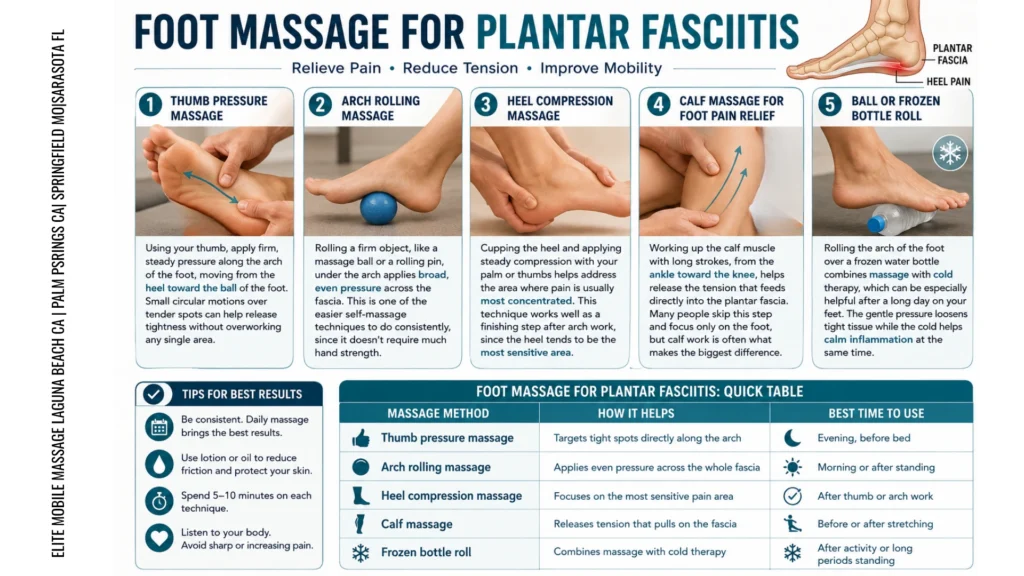
Thumb Pressure Massage
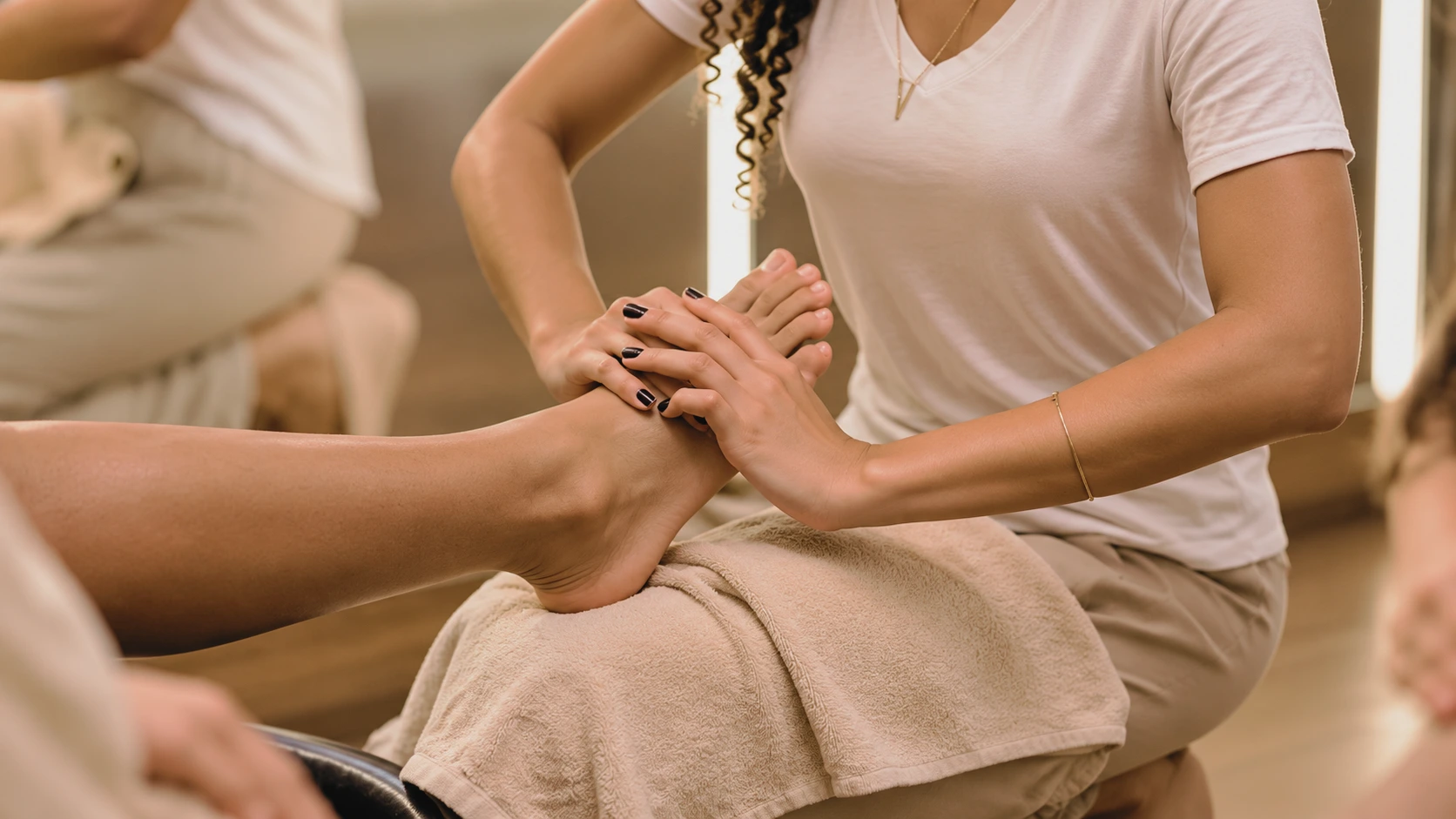
Using your thumb, apply firm, steady pressure along the arch of the foot, moving from the heel toward the ball of the foot. Small circular motions over tender spots can help release tightness without overworking any single area.
Arch Rolling Massage
Rolling a firm object, like a massage ball or a rolling pin, under the arch applies broad, even pressure across the fascia. This is one of the easier self-massage techniques to do consistently, since it doesn't require much hand strength.
Heel Compression Massage
Cupping the heel and applying steady compression with your palm or thumbs helps address the area where pain is usually most concentrated. This technique works well as a finishing step after arch work, since the heel tends to be the most sensitive area.
Calf Massage for Foot Pain Relief
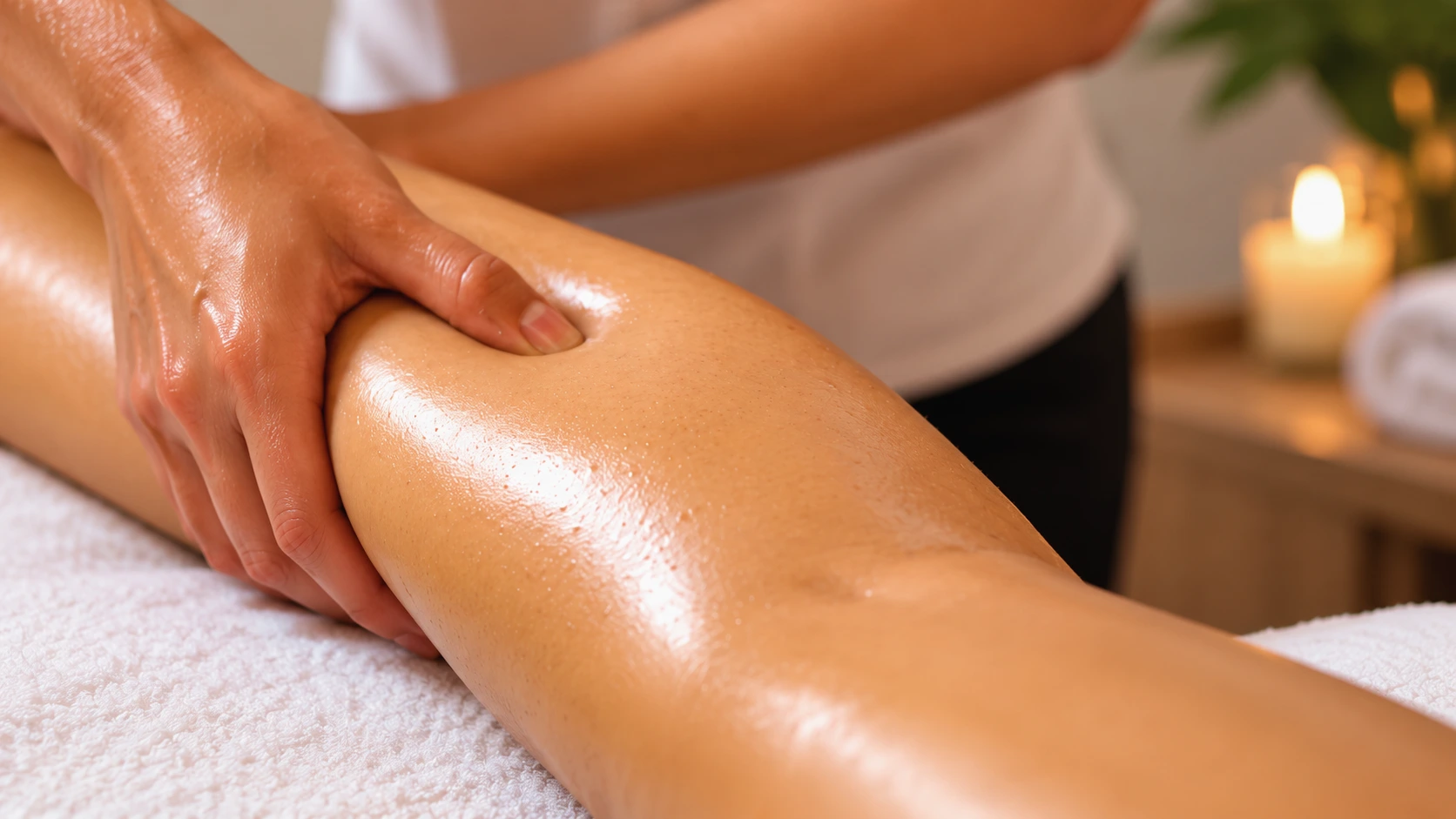
Working up the calf muscle with long strokes, from the ankle toward the knee, helps release the tension that feeds directly into the plantar fascia. Many people skip this step and focus only on the foot, but calf work is often what makes the biggest difference.
Ball or Frozen Bottle Roll
Rolling the arch of the foot over a frozen water bottle combines massage with cold therapy, which can be especially helpful after a long day on your feet. The gentle pressure loosens tight tissue while the cold helps calm inflammation at the same time.
Foot Massage for Plantar Fasciitis: Quick Table
| Massage Method | How It Helps | Best Time to Use |
|---|---|---|
| Thumb pressure massage | Targets tight spots directly along the arch | Evening, before bed |
| Arch rolling massage | Applies even pressure across the whole fascia | Morning or after standing |
| Heel compression massage | Focuses on the most sensitive pain area | After thumb or arch work |
| Calf massage | Releases tension that pulls on the fascia | Before or after stretching |
| Frozen bottle roll | Combines massage with cold therapy | After activity or long periods standing |
How Often Should You Massage Plantar Fasciitis?
Most people see the best results from massaging the foot and calf once or twice a day, in short sessions of about five to ten minutes. Consistency tends to matter more than intensity here. A brief daily routine will usually outperform one long, aggressive session done occasionally.
That said, everyone's tissue responds differently, and pain that's especially sharp or swollen may need a lighter touch and less frequent massage until it settles down. If a technique makes the pain noticeably worse rather than easing it, that's a sign to scale back and check in with a professional.
Best Tips to Massage Your Foot Safely
Start with lighter pressure and build up gradually rather than going straight into deep, firm work on an already irritated area. Warming the foot up first, either with a short walk or a warm towel, can make the tissue more responsive to massage.
Pay attention to how the area feels afterward, not just during the massage itself. Some mild soreness is normal, but sharp pain, swelling, or discomfort that lingers for more than a day suggests the pressure was too much. Deep tissue work on plantar fasciitis is generally safest when guided by a licensed massage therapist who's trained in working with foot and calf injuries, since too much pressure applied incorrectly can aggravate the fascia further.
What Else Helps Plantar Fasciitis Besides Massage?
Stretching the Foot and Calf
Calf stretches and towel stretches for the plantar fascia are often recommended alongside massage, since they target the same tight tissue in a complementary way. Doing both consistently tends to produce better results than either one alone.
Wearing Supportive Shoes
Shoes with proper arch support and cushioning reduce the strain on the plantar fascia with every step. Worn-out shoes or ones without adequate support are one of the most common contributing factors to ongoing heel pain.
Using Ice After Long Standing
Applying ice to the heel after a day of standing or walking helps manage inflammation before it has a chance to build up. This is especially useful for people whose jobs keep them on their feet for hours at a time.
Resting From Painful Activities
Cutting back on high-impact activities like running while the fascia heals gives the tissue a chance to recover instead of continuing to break down. This doesn't mean stopping movement altogether, just being selective about what kind of movement you're doing.
Can Foot Massage Cure Plantar Fasciitis?
Massage on its own isn't typically described as a cure. It's one part of a broader recovery approach that usually includes stretching, footwear changes, rest from aggravating activity, and sometimes physical therapy. Research suggests that around 80% of people with plantar fasciitis see improvement within about a year when they stick with a consistent treatment plan, and massage is one of the tools that plays into that timeline.
Think of massage as something that addresses the tightness and tension driving the pain, rather than something that fixes the underlying tissue damage by itself. Combined with the right supporting habits, it can meaningfully speed up how you feel day to day.
Get Professional Foot Massage for Pain Relief
If home massage and stretching haven't moved the needle, working with a licensed therapist adds a level of precision that's hard to replicate on your own. At Laguna Elite Wellness, sessions are built around recovery, not relaxation for its own sake, which means the focus stays on identifying where your calf and fascia are holding tension and working through it safely.
Mobile massage also means you don't have to add a drive to an already painful walk. Your therapist brings the table and equipment to you, whether that's for a targeted injury recovery session or ongoing care as part of a longer recovery plan. You can check current options on the pricing page or book an appointment directly.

Final Thoughts
Plantar fasciitis is frustrating precisely because it affects something as basic as walking, but foot massage gives you a genuinely useful tool for managing it. Paired with calf work, stretching, and the right footwear, it addresses both the symptom and some of what's driving it. If the pain sticks around longer than a few weeks despite consistent effort at home, that's the point to bring in professional care rather than continuing to push through it alone.