
If you’ve ever left a massage feeling like a weight was lifted off you, you’ve probably heard someone explain it with one word: cortisol. It’s become the go-to shorthand for why massage feels good. Lower cortisol, less stress, done.
The real story is messier, and honestly more interesting than the slogan version. Some of the most-cited research on massage and cortisol has been challenged by later, more rigorous studies. That doesn’t mean massage doesn’t help with stress. It means the mechanism is more complicated than a single hormone going down.
Here’s what’s actually known, and why it matters if you’re recovering from an injury or surgery rather than just looking to unwind.
What Cortisol Actually Does in Your Body?
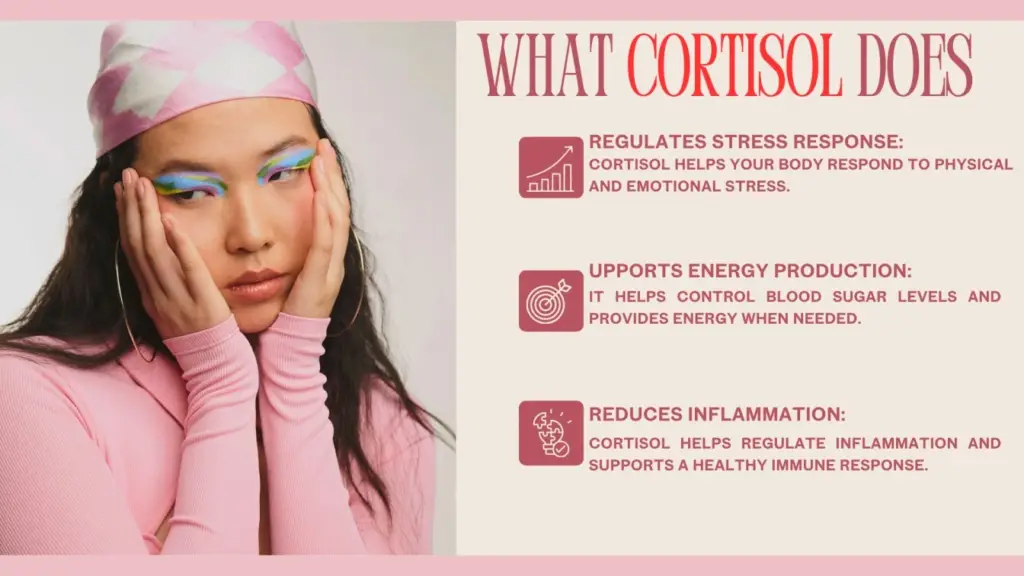
Cortisol gets a bad reputation, but it’s not the villain people make it out to be. It’s a hormone your adrenal glands release in response to stress, and in short bursts it’s genuinely useful. It raises blood sugar for quick energy, sharpens focus, and helps regulate inflammation.
The trouble starts when cortisol stays elevated for too long. Chronic high cortisol has been linked to poor sleep, slower tissue repair, elevated blood pressure, and a weakened immune response. For someone healing from surgery or a soft tissue injury, that last part matters a lot. Your body needs to be in a repair state, not a fight-or-flight state, to rebuild tissue efficiently.
What the Research Says About Massage and Cortisol
This is where things get genuinely interesting, because the research doesn’t all point the same direction.
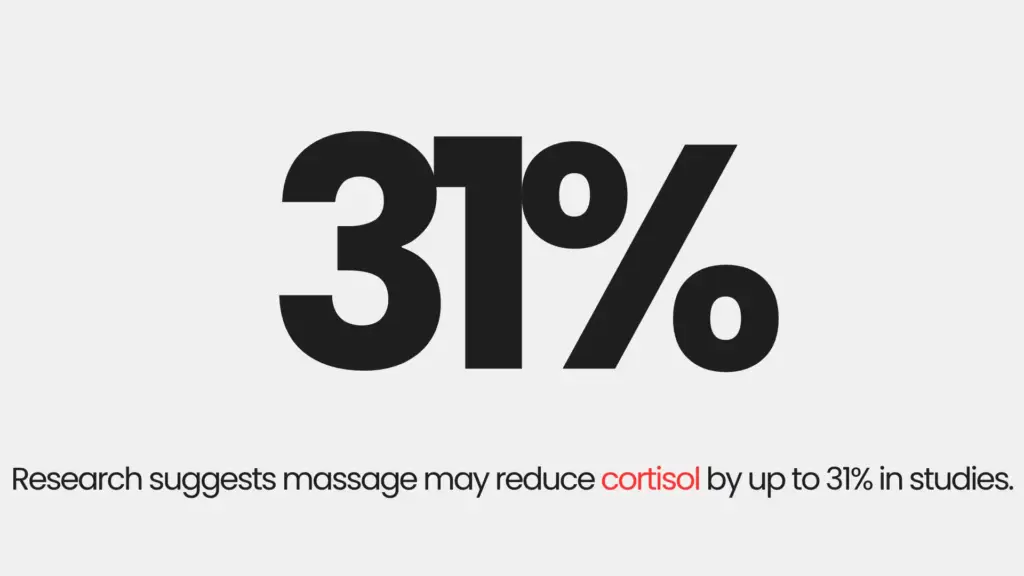
A frequently cited body of work, led by researcher Tiffany Field at the Touch Research Institute, found that massage therapy was associated with an average cortisol reduction of roughly 31 percent, alongside increases in serotonin and dopamine. This is the statistic you’ll see repeated across wellness blogs and clinic websites, and it’s part of why “massage lowers cortisol” became conventional wisdom.
But a 2010 meta-analysis published in the Journal of Bodywork and Movement Therapies took a harder look at the data using stricter statistical methods, comparing massage groups against control groups rather than just measuring before-and-after changes within the same group. The result was strikingly different: the effect for adults was very small and not statistically significant. The one exception was children receiving multiple massage sessions, where the effect was larger and did reach significance, though that finding was based on only three small studies.
The takeaway isn’t that massage doesn’t do anything. It’s that a lot of the popular “cortisol drops 30 percent” claims come from studies that didn’t control for the fact that cortisol naturally fluctuates throughout the day and drops simply from lying still and relaxing, massage or not. When researchers control for that, the cortisol-specific effect gets much harder to detect.
Where the research is more consistent is on immediate, single-session effects. One review found that the vast majority of studies measuring saliva cortisol right after a first massage session recorded a meaningful drop, even though that dip tends to fade back to baseline within a matter of days.

Why This Matters More If You’re Recovering From an Injury or Surgery
For relaxation massage, the cortisol debate is mostly academic. You feel better, and that’s the point.
For injury recovery and post-surgical work, it’s a different conversation. Stress hormones and healing are directly connected. Elevated cortisol over weeks or months can interfere with collagen synthesis, the process your body uses to rebuild connective tissue after an injury or operation. It can also disrupt sleep, and sleep is when most physical repair actually happens.
This is part of why massage gets built into recovery protocols for surgical patients and athletes coming back from injury, not just as a comfort measure but as a way to support the nervous system while the body does the harder work of tissue repair. The goal isn’t chasing a specific cortisol number. It’s shifting someone out of a sympathetic, on-edge state and into the parasympathetic state where digestion, immune function, and tissue repair are prioritized.
Anyone who has gone through a serious injury or multiple surgeries knows this isn’t just theory. The physical pain is one thing. The background stress of not knowing when your body will work normally again is its own separate burden, and it shows up in how well you sleep, how much you guard the injured area, and how slowly things seem to progress on hard days.
How Long Does the Effect Last?
This is the part most articles gloss over. A single massage session produces a short-term dip in stress markers and a subjective sense of relaxation, but that effect doesn’t last for days on its own.
What seems to matter more is consistency. Regular sessions, rather than one-off appointments, appear to have a cumulative effect on how the nervous system responds to stress over time. This is one reason recovery-focused massage plans are usually built around a series of sessions rather than a single visit, especially in the weeks following surgery or a significant soft tissue injury.
Types of Massage Most Relevant for Stress and Recovery
Not all massage styles are built for the same goal. Deep tissue and Swedish techniques both show up in stress-related research, but they work through different mechanisms.
Swedish massage, with its slower, longer strokes, tends to be more directly associated with nervous system calming and short-term relaxation responses. Deep tissue and myofascial techniques focus more on breaking up adhesions and improving mobility in an injured area, and any stress-reducing effect there is often a secondary benefit of reduced pain rather than the primary mechanism.
For injury recovery specifically, the right approach usually blends both: enough targeted, deeper work to address the actual tissue damage, combined with a pace and rhythm that also calms the nervous system rather than putting it further on alert.
FAQ
Does one massage permanently lower cortisol?
No. The drop in cortisol after a single session is temporary and typically returns to baseline within a day or two. Lasting change appears to come from consistency, not a single appointment.
Is the “31 percent cortisol reduction” statistic accurate?
It comes from a real body of research, but later reviews using stricter methodology found the effect on cortisol specifically was much smaller than that number suggests. Massage clearly helps with subjective stress and relaxation. Whether cortisol is the main reason is less settled than the popular version of this claim implies.
Can massage help with stress during injury recovery even if cortisol isn’t the whole story?
Yes. Reduced muscle tension, better sleep, and a calmer nervous system all support recovery regardless of exactly how much a cortisol test would move.
There’s no universal number, but the research pattern suggests regular sessions matter more than occasional ones. For recovery-focused work, this is usually planned around the specific injury or surgical timeline rather than a general schedule.
Ready to Feel the Difference?
Whether you’re managing the stress of a slow recovery or just carrying more tension than you’d like to admit, a session built around your actual injury and your actual body makes a difference. Book a mobile massage session and find out what targeted, recovery-focused work feels like.