

If you live with neuropathy, you know how disruptive nerve pain can be — the tingling, burning, numbness, and aching that follow you through the day. Many people turn to massage therapy for relief, but not all massage is created equal when it comes to sensitive nerves. So what kind of massage is best for neuropathy?
At Laguna Elite Wellness, our licensed therapists specialize in gentle, personalized care delivered right to your home, hotel, or vacation rental across Laguna Beach CA, Palm Springs CA, Springfield MO and Sarasota FL. In this guide, we’ll explain which massage styles help most, which to approach with caution, and how to get safe, lasting relief.
Key Takeaways
- The best massage for neuropathy uses gentle, circulation-boosting techniques — Swedish massage, myofascial release, and lymphatic drainage are typically the safest and most effective options.
- Massage helps by improving blood flow, calming the nervous system, and easing the muscle tension that can worsen nerve pain — though it manages symptoms rather than curing the underlying condition.
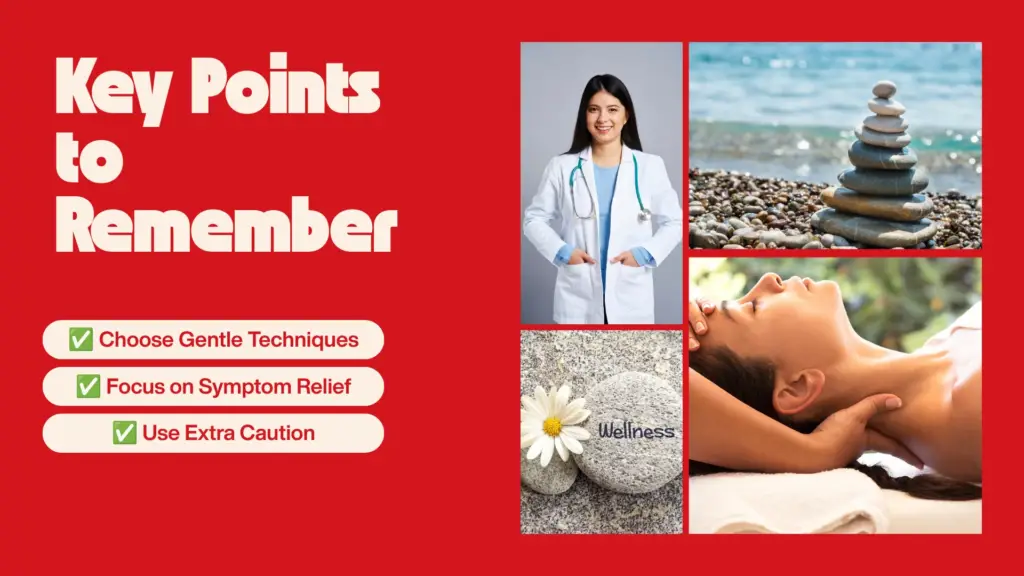
- Firm techniques like deep tissue and hot stone require caution, and anyone with diabetic neuropathy or reduced sensation should consult their doctor before booking.
Neuropathy — damage or dysfunction of the peripheral nerves — affects millions of people, and its symptoms can range from mildly annoying to genuinely debilitating. Tingling, burning, numbness, sharp pains, and muscle weakness are all common, and they often interfere with sleep, mobility, and quality of life.
While there’s no quick fix for nerve damage, many people find that massage therapy offers meaningful relief from the discomfort. The right kind of massage can soothe overactive nerves, improve circulation to affected areas, and release the muscle tension that frequently accompanies and worsens neuropathic pain.
The key word, however, is right. Because neuropathy involves sensitive, sometimes numb nerves, the wrong technique or too much pressure can do more harm than good. Below, we’ll walk through exactly which massage styles are best suited to nerve pain — and how to approach massage safely.
Why Massage Can Help with Nerve Pain?
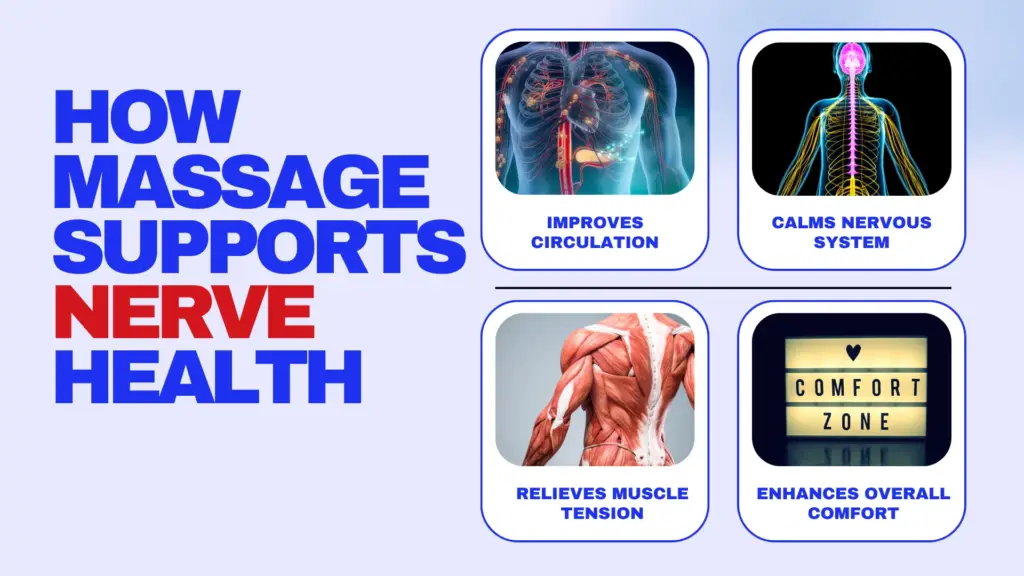
Massage helps neuropathy through several gentle but powerful mechanisms. First and most importantly, it improves circulation. Many forms of neuropathy are linked to poor blood flow, which deprives nerves of the oxygen and nutrients they need. By stimulating circulation, massage delivers fresh blood to affected areas, supporting nerve health and easing discomfort.
Second, massage calms the nervous system. Chronic nerve pain keeps the body in a heightened state of stress, which actually amplifies how much pain you feel. Gentle, rhythmic massage activates the parasympathetic “rest and digest” response, lowering stress hormones and quieting overactive pain signals.
Third, massage releases muscle tension. Neuropathy often causes people to tense up, guard affected areas, or move differently — leading to secondary muscle tightness that adds to the pain. Relaxing these muscles can relieve pressure on nerves and improve overall comfort.
It’s important to set realistic expectations: massage manages and eases neuropathy symptoms rather than curing the underlying nerve damage. But for many people, that symptom relief makes a genuine difference in daily life.
How Neuropathy Affects the Body?
Neuropathy occurs when the peripheral nerves — those outside the brain and spinal cord — are damaged or stop functioning properly. These nerves carry signals between the body and the brain, so when they malfunction, the messages get scrambled.
This can produce a wide range of symptoms. Sensory nerves may cause tingling, burning, numbness, or heightened sensitivity to touch. Motor nerves may lead to muscle weakness, cramping, or difficulty with coordination. Some people experience symptoms in a “stocking and glove” pattern, affecting the hands and feet first.
The causes are varied: diabetes is one of the most common, but neuropathy can also result from injury, infections, autoimmune conditions, certain medications, vitamin deficiencies, and more. Because the condition often involves areas with reduced sensation — especially the feet — extra care is essential during any kind of bodywork.
According to the Mayo Clinic, peripheral neuropathy symptoms can often be managed with a combination of treatments, and supportive therapies that improve comfort and circulation can play a valuable role.
Which Massage Styles Work Best for Neuropathy?
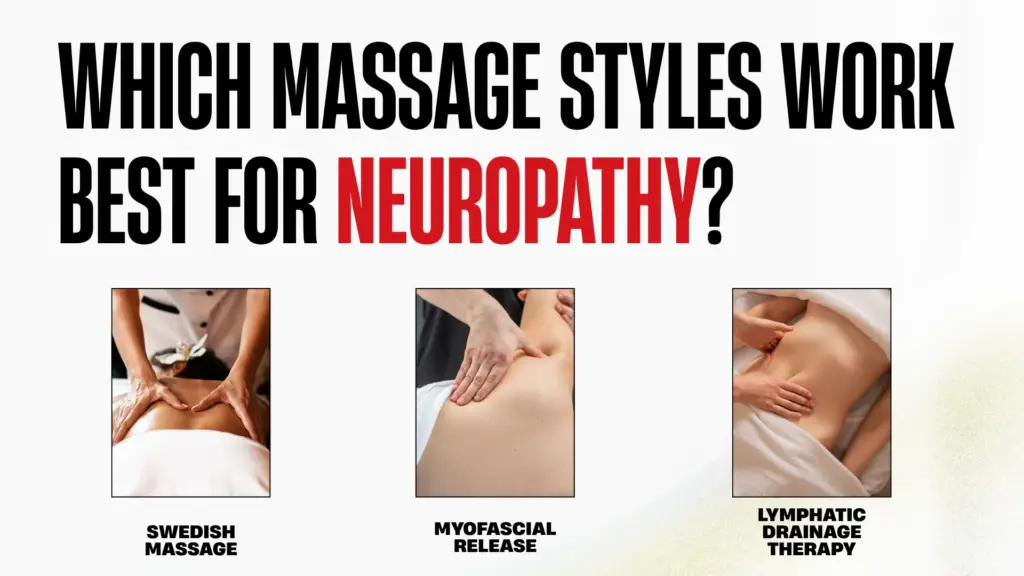
Swedish Massage
Swedish massage is widely considered one of the best and safest choices for neuropathy. Using long, gentle, gliding strokes and light-to-moderate kneading, it boosts circulation and promotes deep relaxation without placing intense pressure on sensitive nerves.
This gentle approach is ideal for calming the nervous system, easing muscle tension, and improving blood flow to affected areas — all without risking discomfort. It’s also a wonderful entry point for anyone nervous about how their body will respond to massage. You can learn more about this and other gentle options in our guide to the different types of massages we offer.
Myofascial Release
Myofascial release is a slow, sustained technique that targets the fascia — the connective tissue surrounding muscles and nerves. When fascia becomes tight or restricted, it can compress nerves and contribute to pain. By gently releasing these restrictions, myofascial release can relieve pressure on affected nerves and improve mobility.
Because it uses gentle, gradual pressure rather than forceful manipulation, myofascial release is generally well-tolerated by neuropathy patients. It’s especially helpful when nerve pain is linked to tightness or restricted movement in surrounding tissues.
Lymphatic Drainage Therapy
Lymphatic drainage is an extremely light, rhythmic technique designed to stimulate the flow of lymph fluid and reduce swelling. For neuropathy patients who experience fluid retention or swelling in the limbs — which can put added pressure on nerves — this gentle therapy can bring noticeable relief.
Its feather-light pressure makes it one of the safest options for sensitive or numb areas, and it supports both circulation and the body’s natural waste-clearing processes. It’s an excellent choice when comfort and gentleness are top priorities.
Massage Techniques You Should Be Careful With
Deep Tissue Massage
Deep tissue massage uses firm, sustained pressure to reach the deeper layers of muscle. While excellent for chronic muscle tension in healthy individuals, it can be too intense for neuropathy patients — particularly in areas with reduced sensation, where you may not feel if the pressure is too strong.
This doesn’t mean deep tissue is always off-limits, but it should be approached cautiously, applied only to unaffected areas, and performed by a therapist who fully understands your condition. If you’re weighing firmer options, our comparison of Sports Massage vs Deep Tissue Massage can help you understand the difference in pressure.
Hot Stone Massage Therapy
Hot stone massage uses heated stones to relax muscles, and while deeply soothing for many people, it carries real risk for neuropathy patients. Because neuropathy can dull your ability to sense temperature accurately — especially in the hands and feet — there’s a danger of burns from stones that feel comfortable to others but are too hot for compromised nerves.
For this reason, hot stone therapy should generally be avoided over affected areas, or used only with extreme caution and clear communication with your therapist. If you’re drawn to the benefits of heat, talk to your therapist about safer, closely monitored alternatives. You can read about the technique in our overview of the Top 10 Benefits of Hot Stone Massage to understand why caution matters here.
Can Massage Improve Blood Circulation in Neuropathy Patients?
Yes — and this is one of the most valuable benefits massage offers for neuropathy. Poor circulation is a key factor in many cases of nerve pain, particularly diabetic neuropathy. When blood flow to the nerves is reduced, they don’t receive enough oxygen and nutrients, which can worsen symptoms and slow healing.
Massage mechanically encourages blood to move through the vessels, increasing circulation to the hands, feet, and other affected areas. Improved blood flow helps nourish nerve tissue, reduce that cold or numb sensation many patients experience, and support the body’s natural ability to manage and repair.
Better circulation also helps clear metabolic waste from tissues and reduces inflammation, both of which can contribute to nerve discomfort. While massage can’t reverse nerve damage, this circulatory boost is a meaningful, drug-free way to support comfort and overall nerve health — especially when sessions are consistent.
Related Article: Swedish vs. Thai Massage — Which One Is Right for You?
Comparison of Massage Types for Neuropathy
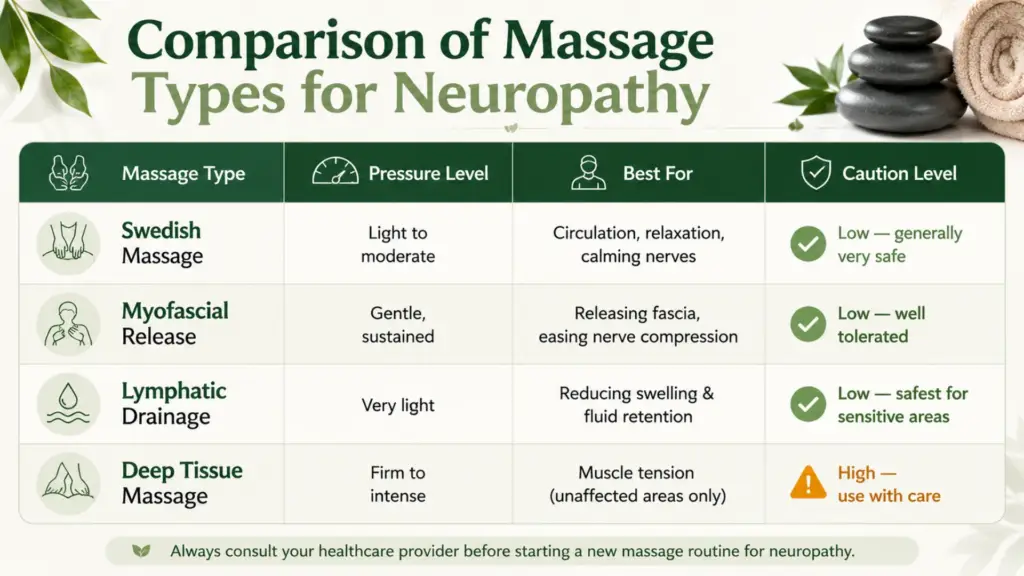
| Massage Type | Pressure Level | Best For | Caution Level |
| Swedish Massage | Light to moderate | Circulation, relaxation, calming nerves | ✅ Low — generally very safe |
| Myofascial Release | Gentle, sustained | Releasing fascia, easing nerve compression | ✅ Low — well tolerated |
| Lymphatic Drainage | Very light | Reducing swelling & fluid retention | ✅ Low — safest for sensitive areas |
| Deep Tissue Massage | Firm to intense | Muscle tension (unaffected areas only) | ⚠️ High — use with care |
Book a Professional Massage for Neuropathy Relief
You don’t have to manage nerve pain alone — and you don’t even have to leave home to find relief. At Laguna Elite Wellness, our licensed, insured therapists bring gentle, professional care directly to you, complete with a professional table, premium linens, and a calm, comfortable setting.
We take the time to understand your condition, your sensitive areas, and your comfort level before every session — tailoring the pressure and technique specifically to neuropathy. Whether you need the soothing circulation support of a Swedish massage or the gentle release of myofascial work, we’ll create a therapeutic massage session that’s safe and effective for you, across Laguna Beach CA, Palm Springs CA, and Springfield MO.
What to Expect from Massage Over Time?
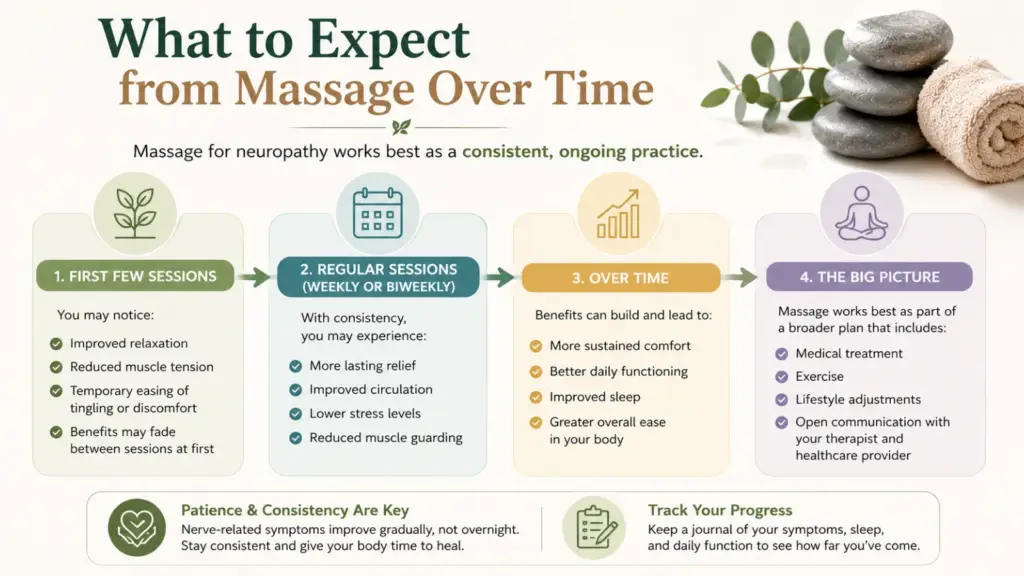
Massage for neuropathy is most effective as a consistent, ongoing practice rather than a one-time fix. After your first few sessions, you may notice improved relaxation, reduced muscle tension, and a temporary easing of tingling or discomfort. These early benefits, while real, often fade between sessions at first.
With regular massage — typically weekly or biweekly to start — the benefits tend to become more lasting. Improved circulation, lower stress levels, and reduced muscle guarding can accumulate over time, leading to more sustained comfort and better daily functioning. Many patients find they sleep better and feel more at ease in their bodies as the weeks go on.
It’s important to track how your body responds and to communicate openly with both your therapist and your healthcare provider. Massage works best as part of a broader management plan that may include medical treatment, exercise, and lifestyle adjustments. Patience and consistency are key — nerve-related symptoms respond gradually, not overnight.
Final Thoughts
When it comes to neuropathy, the best massage is a gentle, thoughtful one. Swedish massage, myofascial release, and lymphatic drainage stand out as the safest and most effective choices, offering circulation support, nerve calming, and tension relief without putting fragile nerves at risk. Firmer techniques like deep tissue and hot stone require real caution — and sometimes should be avoided entirely over affected areas.
Above all, neuropathy care is personal. What feels soothing for one person may be too much for another, which is why working with a skilled therapist who understands your condition matters so much. With the right approach, massage can become a valuable, comforting part of your overall plan for managing nerve pain.
If you’re ready to experience gentle, professional relief tailored to your needs, Laguna Elite Wellness is here to help — delivered right to your door.
Also Read: Different Types of Foot Massages and Their Benefits
Frequently Asked Questions
Can massage really help neuropathy symptoms?
Yes, for many people massage offers meaningful relief from neuropathy symptoms. It improves circulation to affected nerves, calms the overactive nervous system that amplifies pain, and releases the muscle tension that often accompanies nerve issues. While massage doesn’t cure the underlying nerve damage, it can significantly ease discomfort like tingling, aching, and stiffness — especially when done consistently as part of a broader care plan.
What is the safest massage type for nerve pain?
Swedish massage and lymphatic drainage are generally the safest options for nerve pain. Both use gentle, light pressure that soothes rather than stresses sensitive nerves, while still improving circulation and promoting relaxation. Myofascial release is also well-tolerated. The key is always gentle pressure and a therapist who understands neuropathy and adjusts the session to your sensitivity.
Can foot massage reduce neuropathy discomfort?
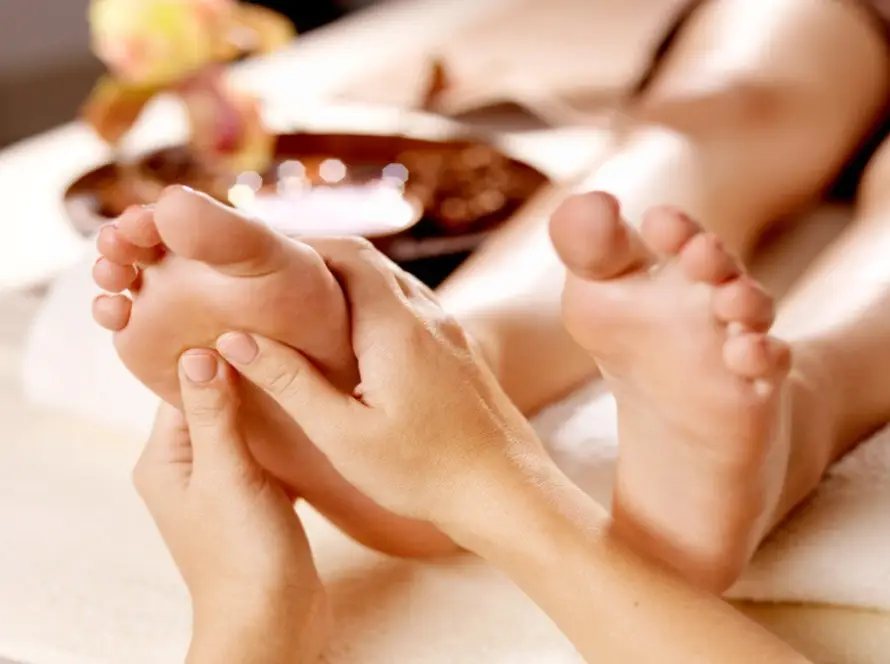
A gentle foot massage can help with neuropathy discomfort by improving circulation and easing tension, since the feet are commonly affected. However, extra caution is essential — the feet often have reduced sensation in neuropathy patients, so pressure must be light and carefully monitored. If you have diabetic neuropathy, always check with your doctor first, as foot care requires special attention to avoid injury.
How often should neuropathy patients get a massage?
For best results, many neuropathy patients start with weekly or biweekly sessions, then adjust based on how their body responds. Consistency matters more than intensity — regular gentle massage produces cumulative benefits for circulation, stress, and muscle tension over time. Your therapist and healthcare provider can help you find a schedule that supports your symptoms and overall wellness goals.
Should deep tissue massage be avoided completely?
Not necessarily completely, but it should be approached with real caution. Deep tissue massage can be too intense for areas affected by neuropathy, particularly where sensation is reduced and you might not feel excessive pressure. It may be safely applied to unaffected areas by an experienced therapist who understands your condition. When in doubt, gentler techniques are the safer choice, and you should always consult your doctor.
Is massage safe for diabetic neuropathy?
Massage can be safe and beneficial for diabetic neuropathy, but it requires extra care and medical guidance. Diabetic neuropathy often involves reduced sensation and circulation issues, especially in the feet, which raises the risk of unnoticed injury or burns. Always consult your doctor before starting massage therapy, choose gentle techniques, avoid heat-based treatments on affected areas, and work with a therapist experienced in caring for diabetic clients.