

Our feet carry us through thousands of steps every day, absorbing the impact of walking, standing, exercising, and daily activities. Despite the tremendous workload they handle, feet are often one of the most neglected parts of the body when it comes to self-care and wellness.
Foot massage has been practiced for centuries across many cultures as a way to relieve tension, promote relaxation, and support overall health. Today, there are many different types of foot massage techniques available, each offering unique benefits and experiences.
Some people seek foot massages to reduce stress and improve relaxation. Others use them to support recovery after exercise, relieve foot discomfort, or simply enjoy a soothing wellness treatment. Whether you are looking for the best type of foot massage for relaxation or a therapeutic technique to complement your wellness routine, understanding your options can help you make the right choice.
At Laguna Elite Wellness, we offer several massage modalities designed to help clients feel refreshed, restored, and balanced.
Key Takeaways
- Different types of foot massages provide unique benefits ranging from relaxation to athletic recovery.
- Reflexology, Swedish, Deep Tissue, Thai, Hot Stone, and Sports Foot Massage are among the most popular options.
- Regular foot massage may help improve circulation, reduce stress, support sleep quality, and promote overall foot health.
What Is a Foot Massage?
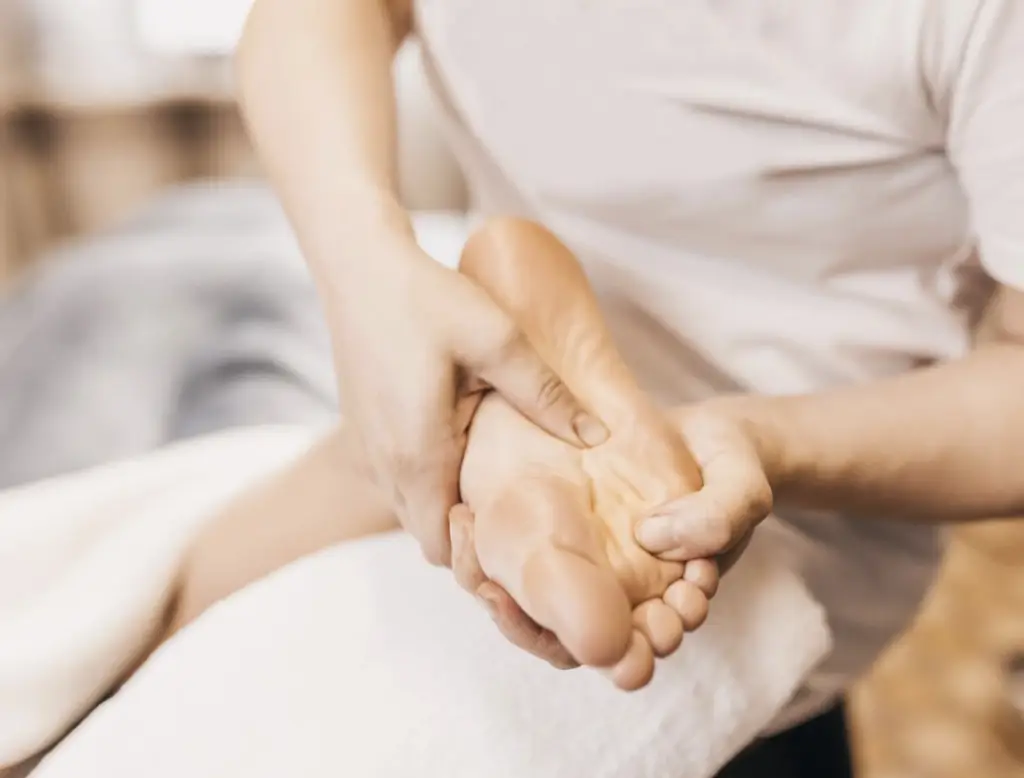
A foot massage is a therapeutic treatment that focuses on the muscles, joints, connective tissues, and pressure points located throughout the feet and lower legs.
Professional foot massage techniques may include:
- Gentle stroking movements
- Kneading and compression
- Trigger point therapy
- Stretching
- Acupressure techniques
- Reflexology pressure point work
- Heat therapy
The goal of foot massage varies depending on the style being used. Some techniques prioritize relaxation while others focus on recovery, mobility, circulation, or relieving muscle tension.
Because the feet contain thousands of nerve endings, many people experience a profound sense of relaxation during and after a foot massage session. Some massage techniques specifically target important pressure points found throughout the feet. To learn about several commonly discussed reflexology and acupressure areas, explore our article on the Top 3 Massage for Feet Pressure Points.
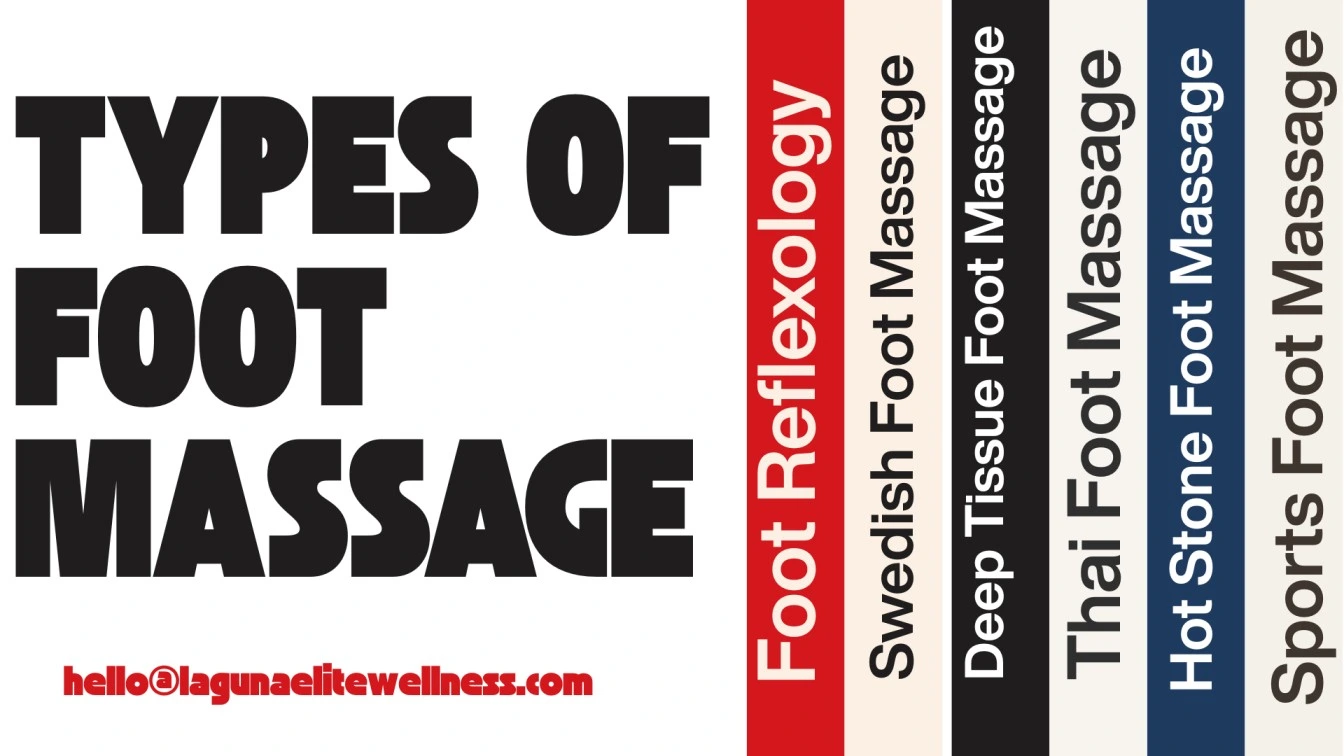
Types of Foot Massage
Foot Reflexology
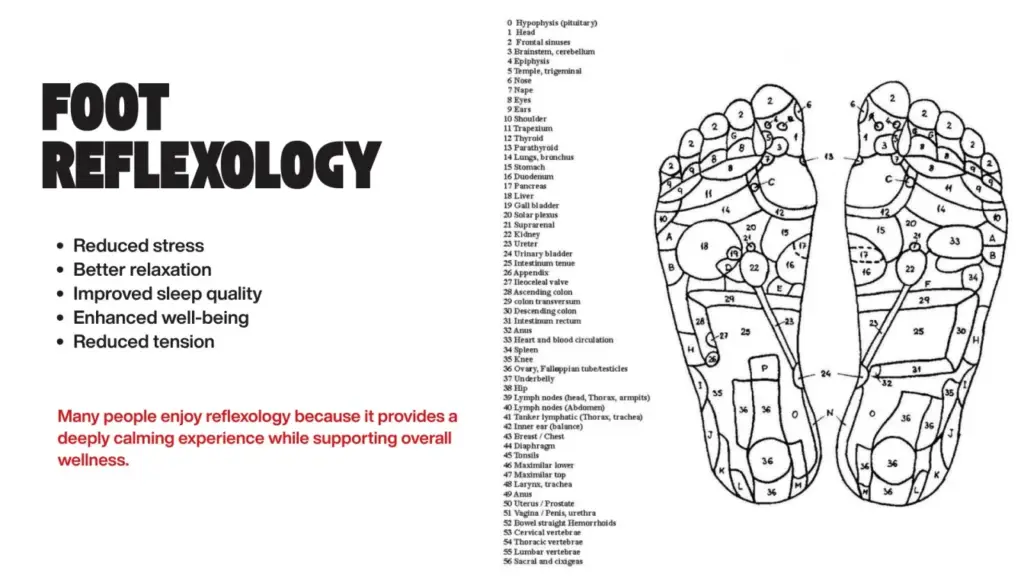
Reflexology is one of the most recognized forms of foot massage. Practitioners apply pressure to specific points on the feet that are believed to correspond to organs and systems throughout the body.
Benefits may include:
- Stress reduction
- Improved relaxation
- Better sleep quality
- Enhanced wellness
- Reduced tension
Many clients report feeling deeply relaxed after a reflexology session and often describe it as a full-body experience despite the treatment focusing primarily on the feet. If you’d like to learn more about the science, benefits, and wellness applications of this technique, be sure to read our complete reflexology guide.
Swedish Foot Massage
Swedish foot massage uses long, flowing strokes combined with gentle kneading and circular movements.
This style is ideal for:
- First-time massage clients
- Stress relief
- Relaxation
- Improved circulation
- General wellness
Swedish massage is often considered the most enjoyable type of foot massage for individuals who prefer gentle pressure and a calming experience.
Deep Tissue Foot Massage
Deep tissue foot massage targets deeper muscle layers and connective tissues.
This technique is often recommended for:
- Chronic foot tension
- Tight arches
- Overworked feet
- Physical laborers
- Active individuals
Therapists use slower, more focused pressure to address areas of tightness and restriction.
Thai Foot Massage
Thai foot massage combines massage techniques with stretching and acupressure.
A typical session may include:
- Foot massage
- Lower leg massage
- Gentle stretching
- Energy line work
Many clients enjoy Thai foot massage because it combines relaxation with increased mobility and flexibility.
Hot Stone Foot Massage
Hot stone foot massage incorporates heated stones placed on or around the feet while massage techniques are performed.
Benefits may include:
- Deep relaxation
- Improved circulation
- Muscle relaxation
- Stress reduction
- Enhanced comfort
The warmth helps muscles relax and allows the therapist to work more effectively on areas of tension. Many clients compare hot stone therapy to deep tissue massage because both treatments help address muscle tightness and discomfort. If you’re unsure which option is right for you, read our detailed comparison on Hot Stone Massage and Deep Tissue Massage.
Sports Foot Massage
Sports foot massage is designed for athletes and active individuals.
It may help support:
- Recovery after exercise
- Improved flexibility
- Reduced muscle soreness
- Enhanced performance preparation
- Injury prevention programs
This technique is commonly used by runners, hikers, martial artists, and fitness enthusiasts.
What Are the Benefits of Foot Massage?
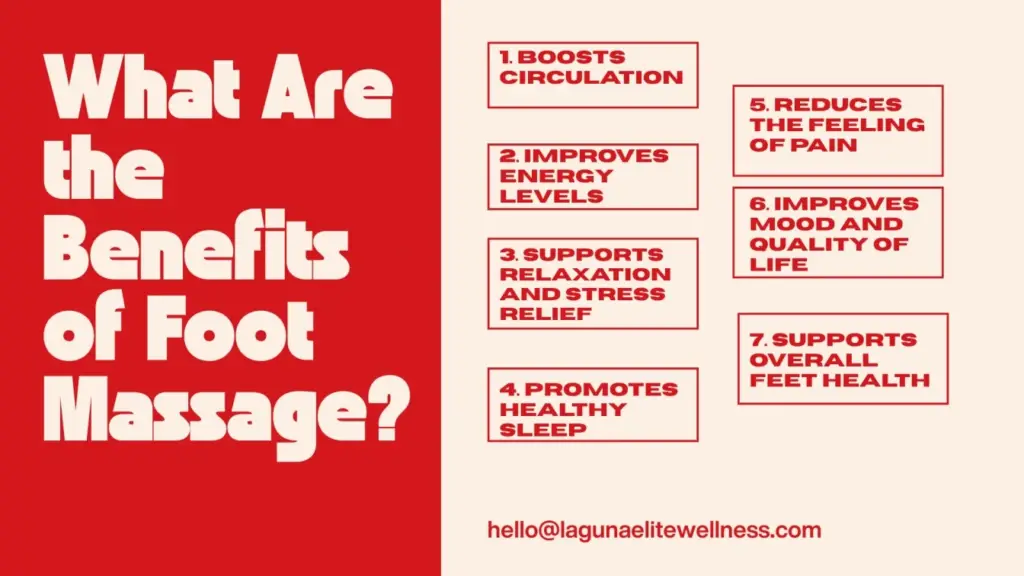
1. Boosts Circulation
Healthy circulation helps transport oxygen and nutrients throughout the body. Foot massage stimulates blood flow and may help reduce feelings of heaviness and fatigue in the feet.
2. Improves Energy Levels
Many people report feeling refreshed and energized following a foot massage session. Reduced tension and improved circulation often contribute to increased vitality.
3. Supports Relaxation and Stress Relief
One of the most significant benefits of foot massage is its ability to activate the body’s relaxation response.
Regular sessions may help:
- Reduce stress
- Promote calmness
- Improve mental clarity
- Support emotional well-being
4. Promotes Healthy Sleep
Relaxed muscles and reduced stress often contribute to better sleep quality. Many clients schedule foot massages specifically to help unwind before bedtime.
5. Reduces the Feeling of Pain
Foot massage may help reduce feelings of soreness and tension caused by daily activities, exercise, or prolonged standing.
6. Improves Mood and Quality of Life
Massage stimulates the release of feel-good chemicals in the body, which can contribute to a more positive mood and improved overall well-being.
7. Supports Overall Feet Health
Regular foot care can help maintain flexibility, mobility, circulation, and comfort while supporting healthy movement patterns.
Foot Massage as a Complementary Therapy
While foot massage should never replace medical treatment, it may serve as a complementary wellness practice.
Neuropathy
Some individuals with neuropathy use massage as part of a broader wellness program. Always consult a healthcare provider first.
Plantar Fasciitis
Massage may help reduce tension in the plantar fascia and surrounding muscles.
Muscle Injuries
Gentle massage can support recovery by promoting relaxation and improving circulation.
Heel Spurs
Many clients find massage helpful for relieving surrounding muscle tension and discomfort.
Restless Leg Syndrome
Relaxation-focused massage techniques may help reduce feelings of restlessness and promote comfort.
At Home Self Foot Massage Technique
Step-by-Step Method
- Sit comfortably in a chair.
- Apply a small amount of massage oil or lotion.
- Use your thumbs to massage the sole of the foot.
- Work from the heel toward the toes.
- Gently stretch each toe.
- Massage the arch using circular movements.
- Finish by gently squeezing the entire foot.
Spend approximately 5–10 minutes on each foot.
How Long Should a Foot Massage Last?
A typical professional foot massage lasts:
- 15-30 minutes for quick relaxation
- 30-60 minutes for comprehensive treatment
- 60-90 minutes when incorporated into a full-body massage session
Most clients find 30-60 minutes to be the ideal balance between effectiveness and relaxation.
How Often Should You Get a Foot Massage?
Recommendations vary based on your goals:
- Relaxation: every 2-4 weeks
- Active lifestyle: weekly or biweekly
- Recovery support: as recommended by your therapist
- Self-care routine: monthly maintenance sessions
Should Foot Massage Be Painful?
No. Foot massage should generally be comfortable and relaxing.
Some areas may feel tender due to tension or sensitivity, but intense pain is not necessary for effective treatment.
Always communicate with your therapist regarding pressure preferences.
Are Foot Massagers Worth It?
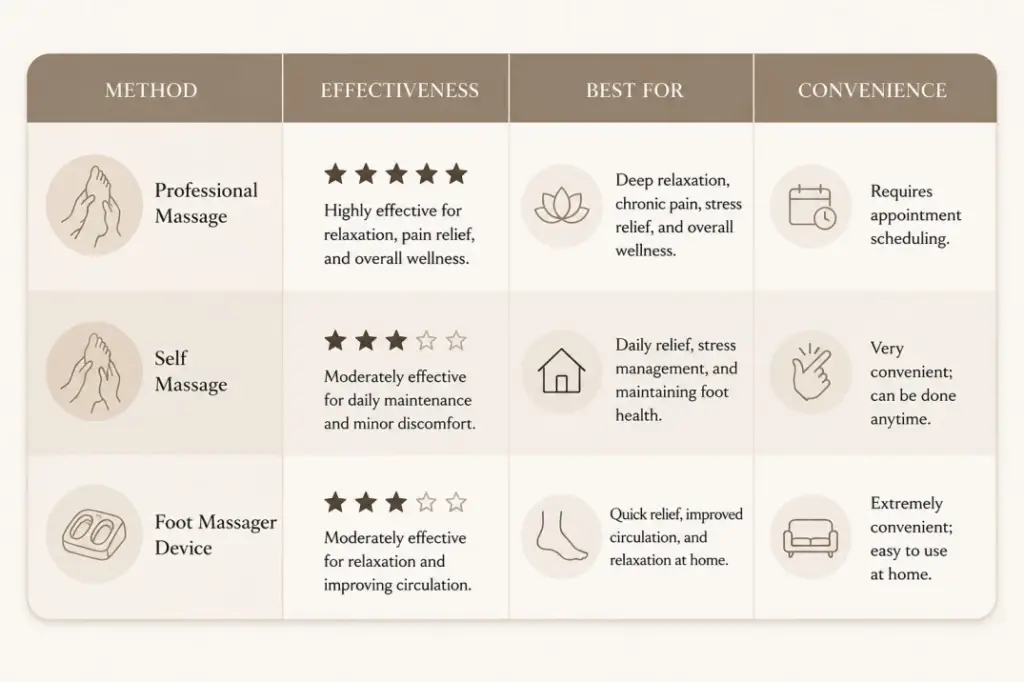
Foot massager devices can be useful for convenience and daily maintenance.
Benefits include:
- Easy home use
- Quick relaxation
- Improved comfort after long days
However, professional massage provides a personalized experience that devices cannot fully replicate.
Comparison of Foot Massage Options
Book a Professional Foot Massage Today
If you’re looking for the best type of foot massage for relaxation, recovery, or overall wellness, the experienced team at Laguna Elite Wellness is here to help.
Visit:
Our personalized treatments are designed to help you feel relaxed, restored, and refreshed.
Final Thoughts
The different types of foot massages available today offer something for everyone. Whether you prefer the gentle relaxation of Swedish massage, the targeted approach of reflexology, the therapeutic benefits of deep tissue work, or the recovery-focused techniques used in sports massage, regular foot care can play an important role in your wellness routine.
By investing in your feet, you’re investing in your overall comfort, mobility, and quality of life.
Frequently Asked Questions
Can foot massage help with chronic foot pain?
Many individuals find that regular foot massage helps reduce tension and discomfort. However, chronic pain should always be evaluated by a healthcare professional.
Is reflexology the same as foot massage?
No. Reflexology focuses on specific pressure points believed to correspond with various areas of the body, while traditional foot massage primarily addresses muscles and soft tissues.
How long does it take to feel results from foot massage?
Many people feel more relaxed immediately after a session, while longer-term benefits often develop with regular treatments.
Can I do foot massage every day?
Yes. Gentle self-massage can often be performed daily as part of a healthy self-care routine.
Is foot massage safe for people with diabetes?
Individuals with diabetes should consult their healthcare provider before receiving foot massage due to potential circulation and nerve-related concerns.
What is the best time of day for a foot massage?
Many people enjoy foot massage in the evening.


1 Comment