

Foot health plays a vital role in overall wellness and daily comfort. Every step you take places pressure on your feet, making them one of the hardest-working parts of the body. Long hours of standing, walking, exercising, or even sitting can contribute to foot fatigue, tension, and discomfort. Over time, this stress may affect not only your feet but also your posture, mobility, and general well-being.
A massage for feet pressure points is a relaxing technique that focuses on specific areas of the feet believed to correspond with different systems throughout the body. By stimulating these areas through targeted pressure and massage, many people experience reduced stress, improved relaxation, and a greater sense of balance.
Whether you are looking for a natural way to unwind after a busy day, relieve tired feet, or support your self-care routine, learning about foot pressure points can help you better understand the benefits of therapeutic foot massage. At Laguna Elite Wellness, we often incorporate foot therapy into our personalized massage sessions, including our Therapeutic Massage services, to create a deeply relaxing and restorative experience.
Key Takeaways
- Foot pressure point massage may help reduce stress, encourage relaxation, and promote a sense of overall well-being.
- Certain pressure points on feet are commonly used in reflexology and may be associated with different parts of the body.
- Regular foot massage can support healthy circulation, ease muscle tension, and provide relief for tired or overworked feet.
What Is Reflexology?
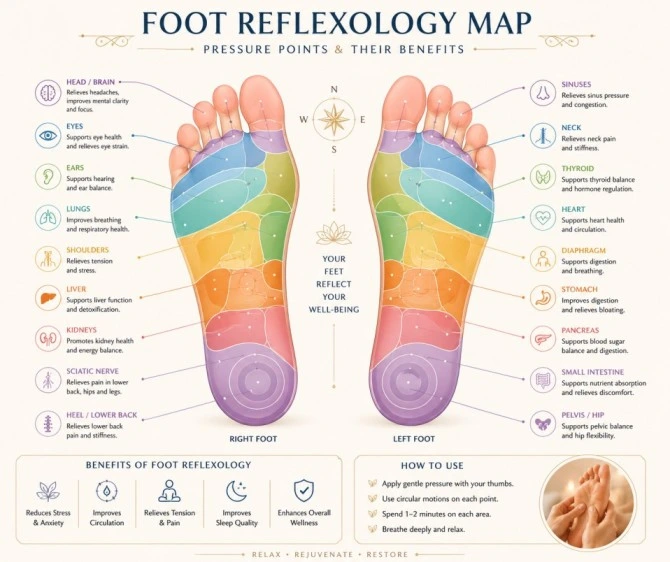
Reflexology is a holistic wellness practice that involves applying pressure to specific points on the feet, hands, and ears. According to reflexology principles, these areas correspond to various organs, muscles, and body systems. Practitioners use their thumbs, fingers, and specialized techniques to stimulate these points with the goal of encouraging relaxation and supporting the body’s natural balance.
The feet contain thousands of nerve endings, making them particularly responsive to touch and pressure. This is one reason why many people find foot massage deeply soothing and rejuvenating. Reflexology has been practiced in various forms for centuries and continues to be a popular complementary wellness therapy worldwide.
While scientific evidence regarding specific reflexology maps remains limited, many individuals report feeling calmer, more relaxed, and less stressed after receiving treatment. A professional therapist may use targeted massage feet pressure points techniques to create a personalized experience based on each client’s comfort level and wellness goals.
Many clients choose to combine reflexology-inspired treatments with a relaxing Swedish Massage session to maximize stress relief and promote full-body relaxation.
Benefits of Foot Pressure Point Massage
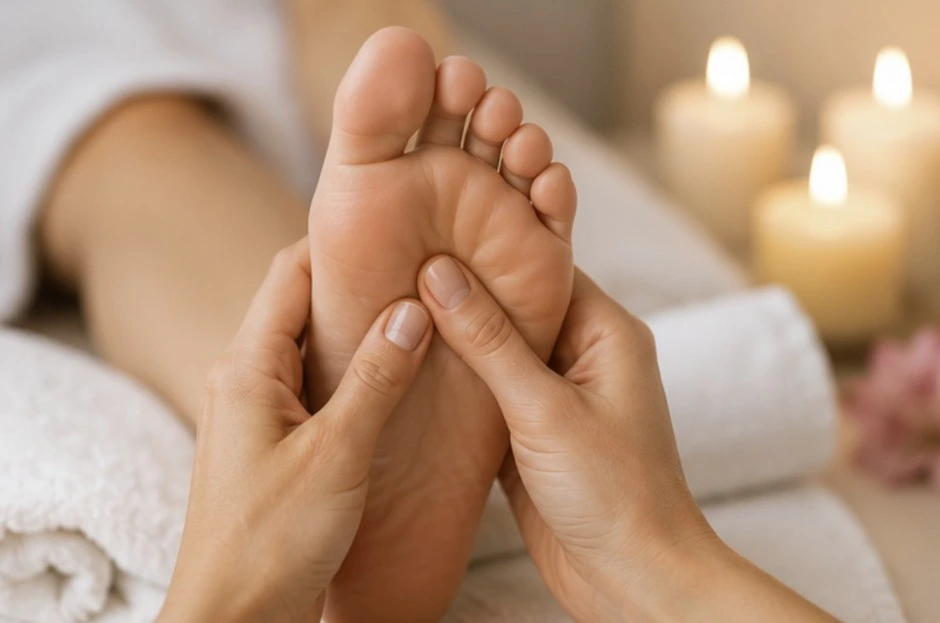
A professional foot pressure point massage offers more than simple comfort. Because the feet contain numerous nerve endings and soft tissue structures, massage may provide benefits that extend beyond the feet themselves.
Some potential benefits include:
Reduced Stress and Anxiety
Foot massage encourages relaxation by helping calm the nervous system. Many clients notice that stress levels decrease during and after treatment, making it an excellent addition to a self-care routine.
Improved Relaxation
Gentle pressure applied to key areas of the feet may help the body transition into a more relaxed state. This can be particularly beneficial after demanding workdays or periods of emotional stress.
Better Circulation
Massage techniques may help stimulate blood flow throughout the feet and lower legs. Healthy circulation supports the delivery of oxygen and nutrients to tissues while assisting the body’s natural recovery processes.
Relief from Muscle Tension
Tightness in the feet can develop from prolonged standing, exercise, or poorly fitting footwear. Foot massage may help loosen tense muscles and improve comfort.
Enhanced Sense of Well-Being
Many people report feeling refreshed, lighter, and more balanced after a session focused on bottom of foot pressure points. The combination of physical relaxation and mental calmness often contributes to an overall sense of wellness.
Improved Sleep Quality
Relaxation techniques used during foot massage may help quiet the mind and reduce tension before bedtime, potentially supporting healthier sleep habits.
Individuals experiencing chronic muscle tightness throughout the body may also benefit from combining foot therapy with our Deep Tissue Massage services for more comprehensive tension relief.
Key Pressure Points in the Feet
Reflexology practitioners commonly focus on several primary areas of the feet. Each region is believed to correspond with different systems within the body and may be targeted depending on a person’s wellness goals.
| Pressure Point | Area of Foot | What It May Help |
| Arch Area | Middle portion of the foot | Relaxation and digestive comfort |
| Heel Area | Back and bottom of the foot | Lower back tension and fatigue |
| Toe Area | Toes and toe pads | Stress relief, relaxation, and mental clarity |
Arch Area
The arch is one of the most commonly addressed areas during foot massage. This region contains numerous soft tissues that can become tight from daily activities. In reflexology, the arch is often associated with digestive and internal body systems.
Massage techniques applied to the arch may help promote relaxation while reducing feelings of foot fatigue. Many clients find pressure applied to this area particularly soothing.
Heel Area
The heel supports much of the body’s weight throughout the day. Because of this constant workload, tension frequently accumulates in this region. Reflexology practitioners often focus on the heel when clients report lower body fatigue or discomfort.
Targeted massage in the heel area may help relieve tension, improve comfort, and promote overall relaxation after prolonged standing or physical activity.
Toe Area
The toes and toe pads are sensitive regions that contain numerous nerve endings. In reflexology, these areas are commonly associated with the head, neck, and mental relaxation.
Gentle massage of the toes may help encourage a calming effect, reduce stress, and support mental clarity. Many clients find toe-focused work particularly beneficial when feeling overwhelmed or mentally fatigued.
Understanding these pressure points on feet allows massage therapists to customize sessions according to individual preferences and wellness goals, creating a more personalized and enjoyable experience.
Top 3 Foot Massage Techniques
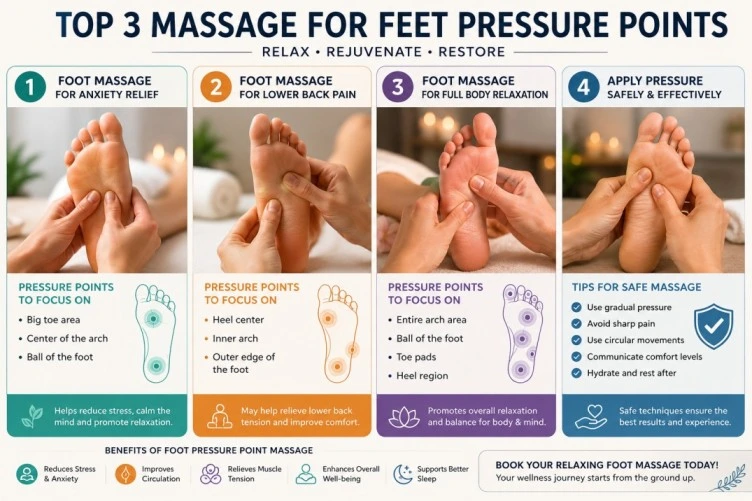
1. Foot Massage for Anxiety Relief
Modern life often brings daily stress, mental fatigue, and feelings of overwhelm. While there are many ways to manage stress, a targeted foot massage can be a simple and effective way to promote relaxation and encourage a sense of calm. Because the feet contain thousands of nerve endings, stimulating specific foot pressure points may help activate the body’s relaxation response.
Many people notice that even a short foot massage session helps quiet the mind and release physical tension. The gentle, repetitive movements used during massage can create a soothing experience that allows the body to transition from a state of stress into one of relaxation.
Pressure Points to Focus On
- Big toe area
- Center of the arch
- Ball of the foot
The big toe is commonly associated with mental relaxation in reflexology. Gentle pressure in this area may help calm racing thoughts and promote a feeling of balance. The center of the arch is another frequently targeted region, often massaged using slow circular motions to encourage relaxation throughout the body.
The ball of the foot contains numerous sensitive nerve endings and is often included in sessions designed to reduce stress and improve overall comfort. Therapists typically use gentle thumb pressure combined with rhythmic strokes to stimulate these pressure points on feet without causing discomfort.
Many clients seeking female foot massage pressure points treatments appreciate the calming and nurturing nature of these techniques. For an even deeper relaxation experience, foot therapy is often combined with our Hot Stone Massage service, which uses soothing heat to help release tension throughout the body.
2. Foot Massage for Lower Back Pain
Although foot massage cannot directly treat lower back conditions, many people find it helpful as part of a broader wellness routine. Certain bottom of foot pressure points are commonly targeted when clients experience tension, fatigue, or discomfort in the lower body.
The feet support the body’s entire weight throughout the day. As a result, tightness and stress often accumulate in specific areas that may affect overall comfort and mobility. A carefully performed foot massage can help relax muscles, improve circulation, and create a greater sense of physical ease.
Pressure Points to Focus On
- Heel center
- Inner arch
- Outer edge of the foot
The heel center is one of the most commonly addressed areas during reflexology-inspired sessions. Because the heel absorbs significant impact during walking and standing, tension often develops in this region.
The inner arch is another important area. Massage therapists frequently use thumb-walking techniques and gentle pressure to stimulate this region while encouraging relaxation throughout the lower body.
The outer edge of the foot may also be included in treatment plans focused on reducing tension and improving overall comfort. By addressing multiple massage feet pressure points, therapists can create a more balanced and comprehensive massage experience.
Many clients choose to combine foot therapy with our Deep Tissue Massage service, which targets larger muscle groups and helps address chronic muscular tension throughout the body.
3. Foot Massage for Full Body Relaxation
A complete reflexology-style foot massage focuses on multiple zones throughout the feet rather than a single area. This approach is designed to provide a deeply relaxing experience that promotes overall wellness and helps reduce the physical effects of daily stress.
Rather than concentrating on one concern, full-body relaxation sessions aim to create balance by stimulating a variety of foot pressure points. These treatments are particularly popular among individuals seeking self-care, stress relief, and recovery from busy lifestyles.
Pressure Points to Focus On
- Entire arch area
- Ball of the foot
- Toe pads
- Heel region
During a full relaxation session, therapists typically begin with broad warming strokes before gradually working into specific pressure points. The arch receives focused attention because it contains several commonly targeted reflexology zones. The ball of the foot and toe pads are then massaged using gentle circular motions and steady pressure.
Finally, the heel region is addressed to help release accumulated tension and improve overall comfort. This comprehensive approach to stimulating pressure points on feet creates a deeply calming experience that many clients find both physically and mentally refreshing.
For the ultimate wellness session, many guests choose to combine foot therapy with a full Therapeutic Massage treatment, allowing them to experience relaxation from head to toe.
How to Apply Pressure Safely?
Working with foot pressure points requires proper technique and attention to comfort. While foot massage is generally safe for most healthy individuals, applying excessive force can lead to discomfort rather than relaxation.
The goal should always be to create a pleasant and soothing experience rather than causing pain.
Correct Pressure Techniques
When performing a foot massage, consider the following guidelines:
- Apply pressure gradually rather than suddenly.
- Begin with light pressure and increase intensity slowly.
- Avoid any sharp or stabbing sensations.
- Use your thumbs, fingertips, or knuckles carefully.
- Perform small circular movements when working on specific points.
- Keep communication open if receiving a professional massage.
- Stop immediately if significant pain occurs.
Professional massage therapists are trained to adjust pressure levels based on each client’s comfort, sensitivity, and wellness goals.
Duration and Frequency
The ideal duration for a foot massage depends on your needs and lifestyle.
General recommendations include:
- 10-15 minutes per foot for self-massage sessions.
- 30-60 minutes for professional treatments.
- Weekly sessions for general wellness and stress management.
- Biweekly or monthly sessions for maintenance and relaxation.
Individuals with physically demanding jobs, athletes, and people who spend long hours on their feet may benefit from more frequent sessions.
Consistency often provides better results than occasional treatments. Regular massage may help maintain flexibility, reduce tension, and support overall foot health over time.
Book a Relaxing Foot Massage Session Today
At Laguna Elite Wellness, we believe that wellness starts from the ground up. Our personalized massage sessions are designed to help you relax, recharge, and feel your best. Whether you are interested in reflexology-inspired foot therapy, stress relief treatments, or a full-body massage experience, our team can create a customized session tailored to your unique needs.
Many clients combine foot therapy with our:
- Deep Tissue Massage
- Swedish Massage
- Hot Stone Massage
- Therapeutic Massage
Each service is designed to promote relaxation, improve comfort, and support your overall wellness goals.
Contact Laguna Elite Wellness today to schedule your next massage session and experience the benefits of professional foot pressure point therapy.
Who Can Benefit from Foot Pressure Point Massage?
Foot pressure point massage is suitable for a wide variety of individuals and lifestyles. Because the feet work continuously throughout the day, almost anyone can benefit from regular foot care and massage therapy.
This type of treatment may be especially beneficial for:
Office Workers
Long periods of sitting can contribute to poor circulation and muscle stiffness. Foot massage may help encourage movement and relaxation after a long day at a desk.
Healthcare and Service Professionals
Nurses, teachers, retail employees, and hospitality workers often spend many hours standing. Regular foot massage can help relieve fatigue and improve comfort.
Athletes and Active Individuals
Physical activity places significant stress on the feet. Massage may support recovery and help reduce muscle tightness following exercise.
People Experiencing Daily Stress
Foot massage offers a simple and enjoyable way to disconnect from daily pressures and focus on relaxation.
Individuals Seeking Self-Care
Many people include foot massage as part of their wellness routine to support balance, mindfulness, and overall well-being.
Anyone with Tired or Sore Feet
Whether caused by work, exercise, travel, or daily life, tired feet often respond positively to gentle massage techniques.
Because the feet serve as the foundation of the body, maintaining their health can positively impact comfort, mobility, and quality of life.
FAQs
How long should a foot pressure point massage last?
Most professional sessions last between 30 and 60 minutes. However, even shorter treatments can provide relaxation and stress-relief benefits. The ideal session length depends on your wellness goals and personal preferences.
Can foot massage help with stress and sleep?
Many people report feeling calmer and sleeping better after a foot massage. The relaxation response triggered by massage may help reduce tension and prepare the body for restful sleep.
Are foot pressure points backed by science?
Research supports massage therapy for relaxation, stress reduction, and improved well-being. However, the specific organ-related theories used in reflexology continue to be studied and are not universally accepted within the medical community.
Is it safe to massage feet every day?
For most healthy individuals, gentle daily foot massage is safe and may provide ongoing relaxation benefits. If you have diabetes, circulation disorders, nerve conditions, or other medical concerns, consult your healthcare provider before beginning a new massage routine.
When should you avoid foot pressure massage?
You should avoid foot massage or seek medical advice first if you have:
Open wounds or skin infections
Severe swelling
Recent fractures or injuries
Deep vein thrombosis (DVT)
Significant circulatory disorders
Conditions where massage has been restricted by your physician